What Happened
Apple has introduced HomeView, a smart home hub intended to centralize control of connected devices and provide a hands‑free interface for many iPhone and iPad functions. Announced on Tuesday, the $299 device is positioned to compete directly with Amazon's Echo Show line and Google's Nest Hub.
The Key Details
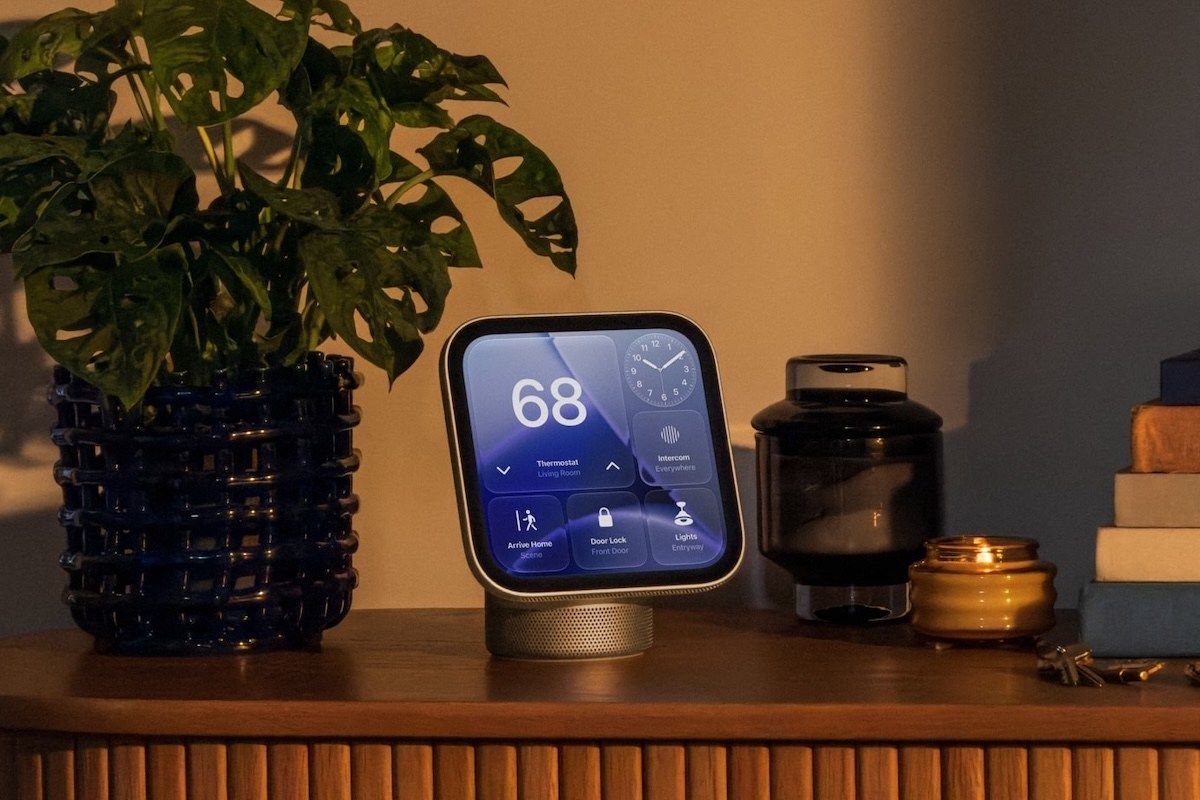
- Design and variants: HomeView is a cuboid unit resembling the HomePod but with a 7‑inch display on the front. It will be sold in two versions—one that sits on a countertop and another that can be wall‑mounted. The device includes a single FaceTime camera, microphones, and speakers integrated into its base.
- Color options: Silver, starlight, rose pink, and space gray.
- Pre‑loaded apps: Calendar, Messages, Photos, FaceTime, Notes, Reminders, Music, and Podcasts. These allow users to check appointments, send messages, play music, and view photos without picking up their phone.
- Siri AI and personalization: The hub runs an updated Siri that can recognize up to six different household members. When a person approaches, the screen adjusts to show that individual's messages, contacts, calendar, notes, and preferred apps.
- Smart home integration: HomeView serves as a dashboard for controlling smart home accessories. Users can ask Siri to view camera feeds, adjust the thermostat, turn on lights, and lock doors. Apple also announced a new lineup of smart home accessories, including a smart deadbolt lock, security cameras, and a doorbell. When someone rings the doorbell, a chime sounds on HomeView.
- Pricing and availability: Preorders start today, with the device becoming available on November 13.
- Context: The launch follows years of rumors and reported delays caused by challenges with Apple's Siri AI. A more advanced version featuring a robotic arm has been speculated, though not confirmed.
Why It Matters
Apple's entry into the smart display market is significant because the company has historically struggled to gain traction in the smart home space—the HomePod, for instance, never matched the popularity of competing speakers. By combining a display, Siri‑driven voice control, and deep integration with Apple's ecosystem, HomeView represents a more comprehensive attempt to make Apple the central hub for a smart home. If successful, it could challenge the dominance of Amazon and Google, both of which have established ecosystems of smart devices and services.
What It Means for Readers
For households already invested in Apple products, HomeView offers a convenient way to interact with core apps without reaching for a phone, particularly in the kitchen where a hands‑free display can be useful for recipes, video calls, or checking schedules. The ability to recognize individual users adds a layer of personalization that could make the device more engaging for families. However, the device's effectiveness will depend on the reliability of Siri and the breadth of compatible smart home accessories, areas where Apple has previously faced criticism.
What Happens Next
Preorders are open now, and the first units will ship on November 13. Apple has not provided details on future iterations, but reports suggest a more advanced model with a robotic arm could be in development, which would further differentiate HomeView from existing smart displays.
VANTIX Takeaway
Apple is betting that a well‑integrated hardware‑software combination can overcome its earlier smart home setbacks. The success of HomeView will hinge on whether Siri's AI can deliver a smooth, personalized experience and whether Apple can expand its smart home accessory ecosystem quickly enough to match Amazon and Google.


