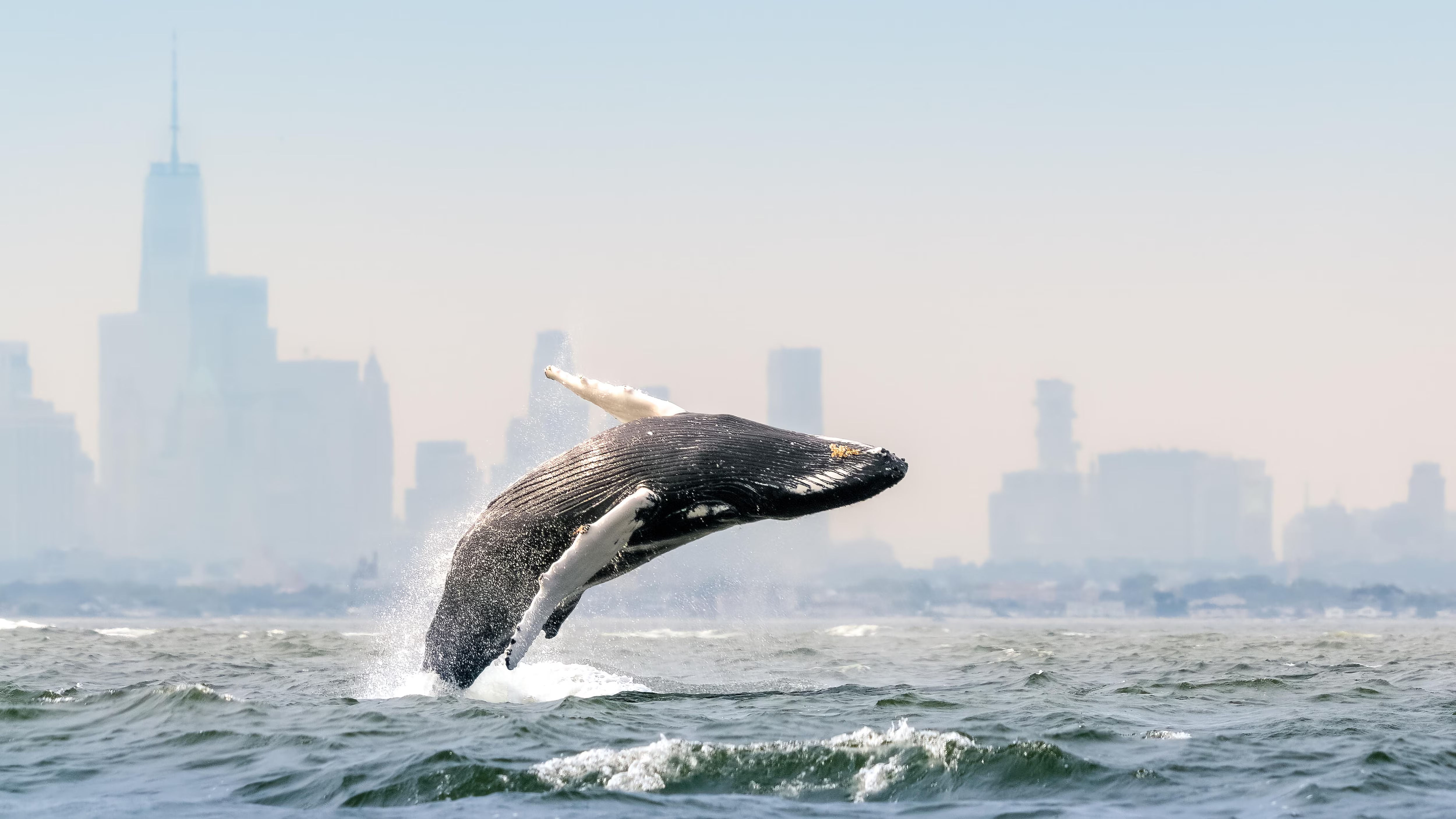
What Happened
BBC's landmark nature documentary franchise, Blue Planet III, is adopting a distinct production strategy: intentionally leaving flawed and less-than-perfect shots in its final cut to assure viewers of the visual content's real-world authenticity.
The Key Details
Previous installments of the Blue Planet series earned acclaim for ultra-clear, pristine footage that brought ocean wildlife to screens in startling detail. However, as generative artificial intelligence models advance in video synthesis, hyper-polished and seamless imagery is increasingly associated with AI-generated media.
To counter this trend, Blue Planet III filmmakers are opting to preserve subtle physical imperfections—such as framing irregularities or non-pristine camera movements—that demonstrate human camera work and real-world field conditions.
Why It Matters
As AI image and video tools become more capable of synthesizing photorealistic wildlife scenes, ultra-smooth perfection is no longer a reliable marker of high-budget field documentary work. By preserving organic, unpolished elements, creators establish a visual record of real physical presence that synthetic models typically smooth over.
What It Means for Readers
- Media Consumers: Viewers will notice a shift in visual storytelling where natural roughness signals authentic human filming rather than production errors.
- Creators and Filmmakers: Human presence and raw realism are becoming valuable trust signals in digital media creation.
VANTIX Takeaway
In an era where synthetic tools can easily generate flawless visuals, perfection is losing its association with quality. For Blue Planet III, raw visual imperfections serve as proof of reality.


