What Happened
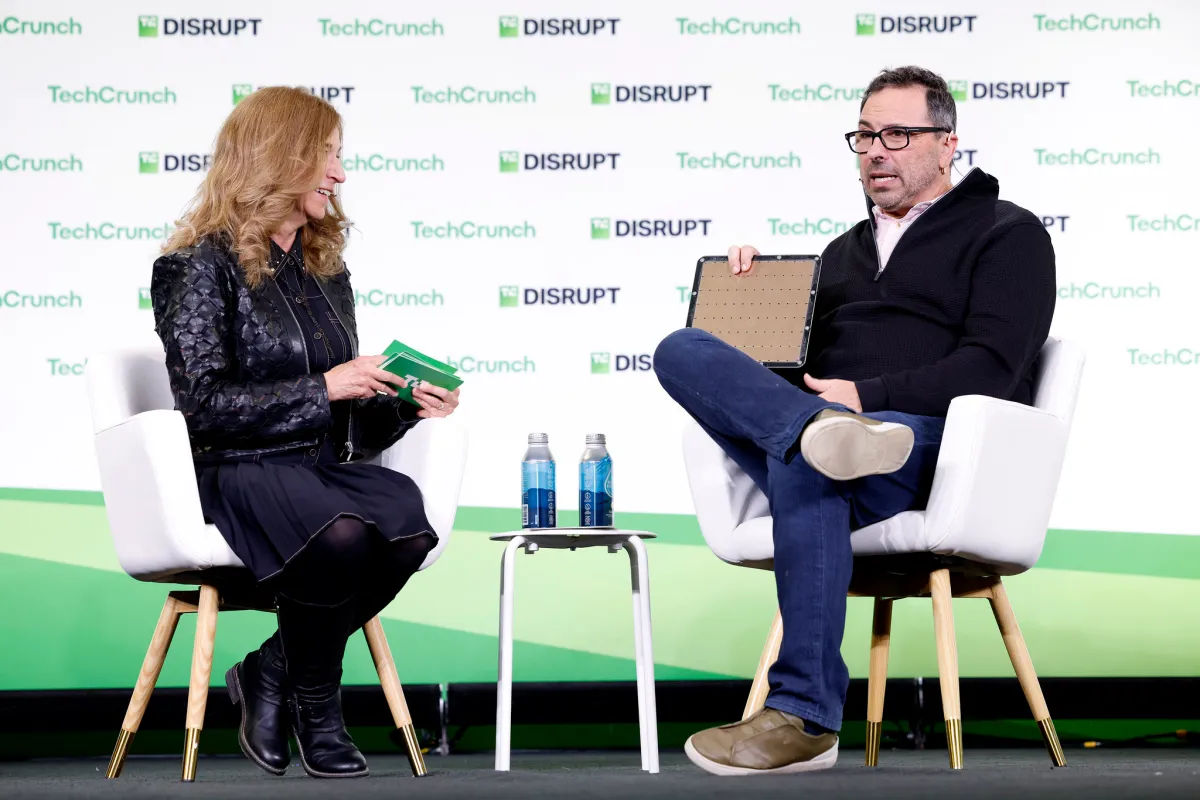
Cerebras Systems co-founder and CEO Andrew Feldman used his appearance at TechCrunch Disrupt 2026 to outline a near-term future where personal AI assistants become standard household fixtures — comparable to refrigerators or smartphones. Speaking on stage, Feldman said the transition is "not very far away" and described a model where AI assistants operate hybridly: some processing on the device itself, some in the cloud, much like today's smartphones.
The Key Details
Feldman's vision includes several specific characteristics:
- Hybrid compute: Assistants will run locally for privacy and latency, while offloading heavier tasks to the cloud.
- Deep personalization: They will "get to know you very well" over time.
- Security perimeter: A defined boundary around each user's assistant to protect data and agency.
- Transactional capability: Access to payment methods, enabling assistants to make purchases on the user's behalf.
- Life improvement: Feldman believes these systems will "make a meaningful impact in making our lives better."
He pointed to two current examples of consumer-facing AI agents gaining traction: Meta's Muse and Instinct, a startup now valued at $10 billion. Both illustrate how agentic AI is moving beyond developer tools into everyday use.
Feldman disclosed that he already relies on "a collection of agents" for his own workflow — handling calendar management, surfacing background information on meeting participants, and automating tasks that previously required manual effort. His excitement, however, centers on use cases that didn't exist before — new categories of application that only become possible with pervasive, personalized AI.
As an infrastructure provider, Cerebras builds the hardware platform (wafer-scale AI accelerators) that powers large-scale model training and inference. Feldman emphasized that he deliberately stays out of the consumer product layer: "I like building the platforms that other people's ideas take flight on."
Why It Matters
The prediction carries weight because it comes from a CEO whose company supplies the compute substrate for frontier AI models. If Feldman's timeline is directionally correct, the industry is moving from "AI as a cloud service you query" to "AI as a personal appliance you live with." That shift has implications for:
- Chip demand: Sustained need for both data-center and edge inference silicon.
- Privacy architecture: Local-first processing becomes a product requirement, not a niche feature.
- Agent ecosystems: A new layer of software — agents that negotiate, purchase, schedule, and decide — sits between users and services.
- Business models: Companies that currently reach users directly (e-commerce, travel, finance) may find themselves interfacing with users' AI agents instead.
What It Means for Readers
For technology users, the practical takeaway is that the next wave of AI integration may feel less like chatting with a web bot and more like owning a device that acts on your behalf. The hybrid local/cloud model suggests upcoming hardware — possibly dedicated AI appliances or significantly upgraded smartphones — will need enough on-device compute to handle sensitive or latency-critical tasks without round-tripping to a server.
For developers and founders, Feldman's stance clarifies the opportunity: the platform layer is being built by companies like Cerebras, Nvidia, and cloud providers. The unsolved problems are at the application layer — defining what a personal agent should do, how it earns trust, and what new behaviors it enables.
For African markets, where smartphone penetration leads PC adoption and data costs remain a constraint, a local-first AI appliance model could be particularly relevant — if hardware costs reach accessible price points.
What Happens Next
Feldman did not give a specific launch date or product roadmap. The timeline depends on progress in model efficiency (smaller models that run well on edge hardware), privacy-preserving frameworks, and consumer trust. Watch for:
- Edge-optimized model releases from major labs.
- Dedicated AI hardware announcements from consumer electronics makers.
- Regulatory frameworks around agent autonomy and liability.
VANTIX Takeaway
The infrastructure for personal AI appliances is being built now. The next breakthrough won't be a bigger model — it will be a product that makes a personal agent feel indispensable, trustworthy, and affordable enough to sit in every home.


