What Happened
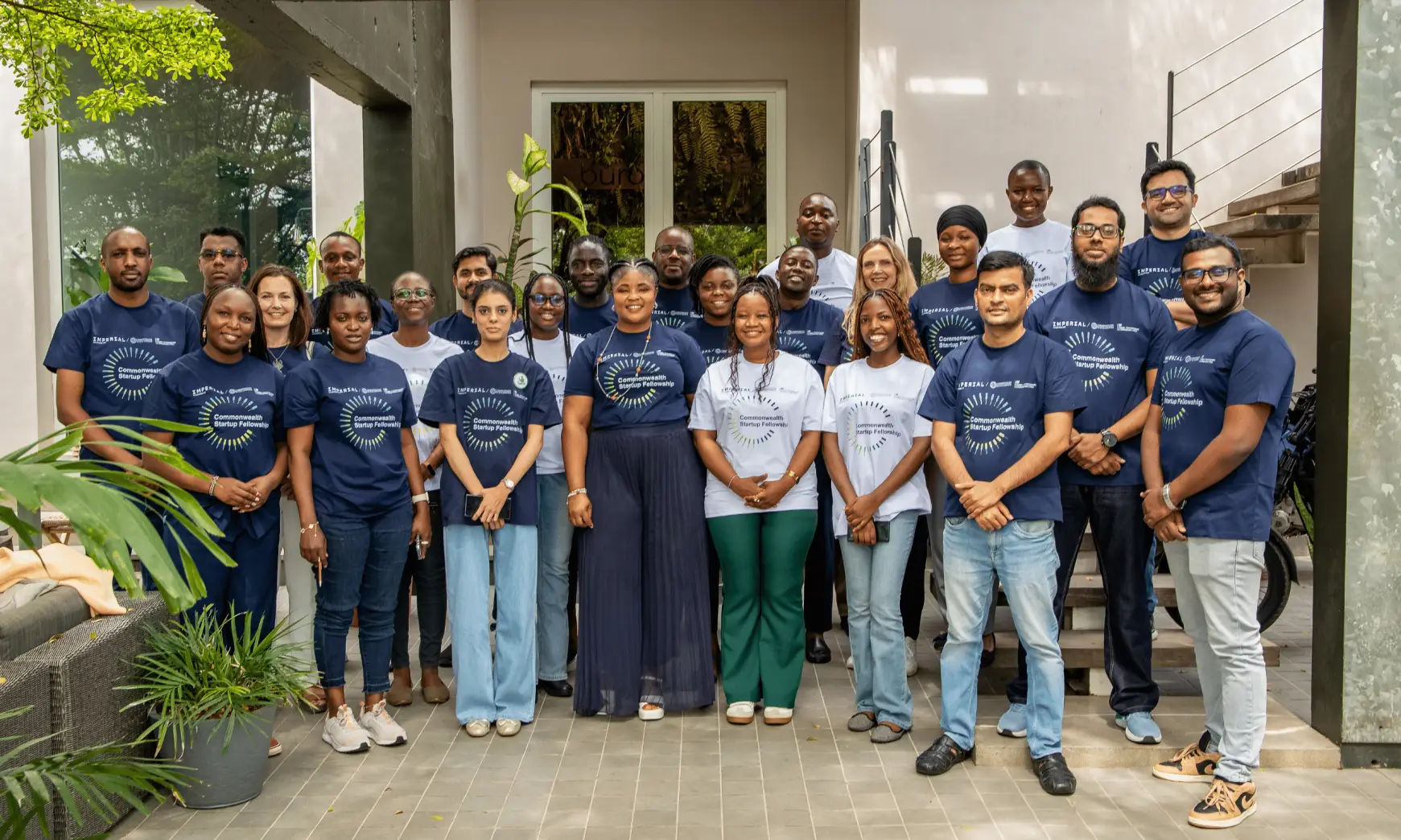
Applications are now open for the 2026/2027 Commonwealth Startup Fellowship, a fully funded six-month programme designed to move early-stage ventures toward investment readiness and measurable job creation. The fellowship is jointly run by the Commonwealth Scholarship Commission (CSC) and Imperial College London, combining the CSC's development mandate with Imperial's enterprise acceleration expertise.
The programme is not a purely virtual course. It is structured around two in-person events: a two-week bootcamp in Accra, Ghana, tentatively scheduled for late January into early February 2027, and a week-long Capstone in London around mid-May 2027. In between, founders receive monthly coaching, peer reviews, and sessions with industry experts delivered remotely.
Applications opened on 3 August 2026 and close on 1 September 2026, with no late submissions accepted.
The Key Details
Full funding covers every participation cost. Selected fellows receive:
- Return economy flights for both the Accra bootcamp and the London Capstone
- Accommodation and catering during both in-person segments
- Reimbursement of standard visa fees
- An equity-free grant of up to £2,000 (approximately $2,700) per startup for business costs or participation-related expenses
- Additional financial support for founders who declare a disability, following a needs assessment
Eligibility is strict. The CSC is targeting investment-ready operators, not idea-stage dreamers. Applicants must:
- Hold a legally registered business
- Show at least twelve months of active operation
- Have a product or service already reaching paying customers, not still in pilot or prototype form
- Hold graduate-level education
- Be a citizen or recognised refugee of an eligible low or middle income Commonwealth country, with current permanent residence there
- Be fluent in written and spoken English
Founders who completed a Commonwealth Professional Fellowship within the past five years are excluded from this round. Only one founder per selected startup travels for the in-person bootcamp, though co-founders and wider team members can still access the remote mentoring and network-building components.
The curriculum is delivered largely by Imperial faculty and affiliated experts, covering leadership and team-building, sales, fundraising, financial forecasting, market expansion, and business resilience.
Imperial has flagged particular interest in technology-enabled and science-led ventures, as well as climate, energy, and engineering-focused businesses working on commercial solutions. However, organisers have indicated the fellowship is open across sectors, so founders outside deep-tech should not assume they are excluded.
Why It Matters
For African founders, the core value of this fellowship is less about the curriculum — most accelerator programmes cover similar ground — and more about access. A live pitch to global investors and venture capitalists in London, direct contact with Imperial's enterprise networks, and peer relationships with founders from other Commonwealth economies are connections that are typically expensive and slow to build independently from cities like Lagos, Nairobi, or Accra.
The equity-free grant structure also matters. Unlike many accelerator models that take a percentage of the company in exchange for participation, this fellowship provides funding without requiring founders to give up any ownership.
Reports on the previous cohort suggest a relatively small intake, meaning selection will likely remain competitive even as awareness of the programme grows.
What It Means for Readers
For African technology entrepreneurs who already have a registered, revenue-generating business, this fellowship offers a rare combination: fully funded participation, structured training from a top-tier university, and a direct pathway to pitch in front of London-based investors.
The eligibility bar is deliberately high. Founders still in the idea, prototype, or pilot stage will not qualify. The programme is built for businesses that have already demonstrated market traction with paying customers.
The short application window — less than a month between opening and closing dates — means founders should begin assembling traction data, registration documents, and financial history immediately rather than waiting until closer to the deadline.
What Happens Next
The CSC has scheduled online information sessions through August 2026 for prospective applicants who want a clearer understanding of what the review panel is looking for before submitting. Full eligibility details and the application portal are available on the Commonwealth Scholarship Commission's website.
VANTIX Takeaway
If you are an African founder with a registered business that has been operating for at least a year and serving paying customers, this is one of the most accessible fully funded pathways to global investor networks currently available. The deadline is tight, the eligibility is strict, and the intake is small — but for those who qualify, the combination of zero equity dilution, Imperial's network, and a live London pitch is worth the effort of applying now rather than later.


