# Benchmark Says AI Is Eroding Venture Capital's Rule Against Backing Rivals
For decades, Silicon Valley venture capital operated on an unwritten rule: a firm does not back two companies that compete directly. Benchmark, one of the industry's most respected early-stage investors, says that rule is fraying under the pressure of artificial intelligence.
What Happened
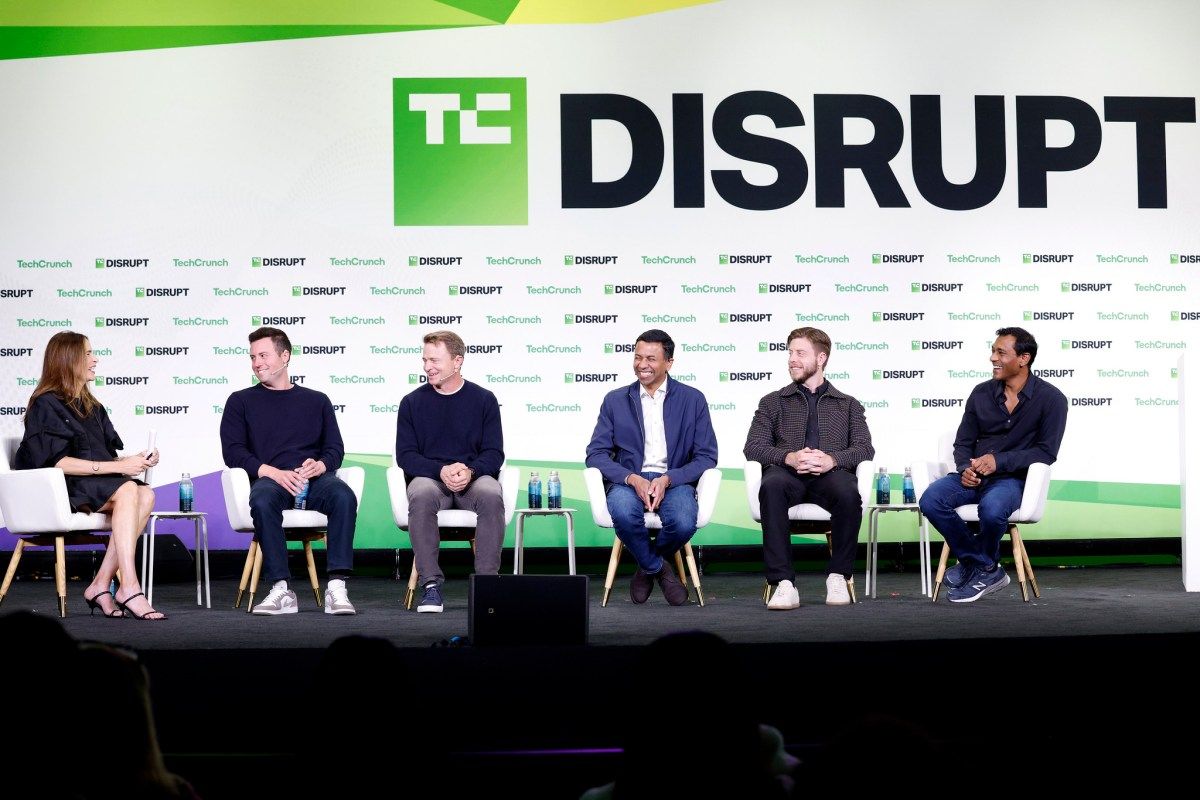
At TechCrunch Disrupt, Benchmark partners Eric Vishria, Chetan Puttagunta, and Peter Fenton acknowledged that the AI boom is making it harder to avoid conflicts between portfolio companies. They did not declare the rule dead, but they said conflicts are becoming a matter of necessity rather than choice.
The Key Details
- The norm under pressure: For decades, venture firms generally avoided investing in head-to-head competitors to protect founder trust and confidential information.
- AI is accelerating overlap: As the cost of building software drops, founders are becoming more ambitious and expanding into adjacent markets, according to Chetan Puttagunta.
- Recent flashpoints: OpenAI and Anthropic now share dozens of investors. In September, AI coding startup Factory fired board observer Chris Degnan over alleged discussions with rival Cognition; Degnan later joined Cognition as chief revenue officer. Khosla Ventures, which backs both companies, publicly sided with Degnan.
- Benchmark's position: Eric Vishria said exclusivity remains important at the early stage Benchmark favors, but "things are evolving." Peter Fenton called the issue the firm's toughest problem and described transparency as a golden rule. Benchmark says it keeps founder confidences and does not position itself as product or technology experts.
Why It Matters
Reported fact: Benchmark partners described conflicts between AI portfolio companies as increasingly unavoidable.
Editorial interpretation: When a firm built on long-term founder loyalty signals that old boundaries are shifting, it suggests the venture capital model itself is adjusting to how quickly AI startups can pivot and encroach on each other's territory. That matters because founders rely on investors not just for capital, but for strategic guidance and discretion.
What It Means for Readers
- Founders: If you are raising venture capital, especially in AI or software, you should ask potential investors how they handle conflicts when portfolio companies expand into overlapping markets.
- Investors and venture professionals: The traditional exclusivity pact may no longer be a reliable default. Clear, upfront transparency about conflicts is becoming a competitive necessity.
- Technology observers: The story illustrates how AI is not just changing what software can do, but also how the companies behind it are funded and governed.
What Happens Next
Benchmark did not announce a new policy or timeline. The partners said conflicts are coming, but they did not specify how the firm will restructure its approach to exclusivity.
VANTIX Takeaway
The unwritten rule against backing rivals is not dead, but it is no longer automatic. Founders and investors should treat conflict disclosure as a standard part of the funding conversation, not an exception.


