# What Happened
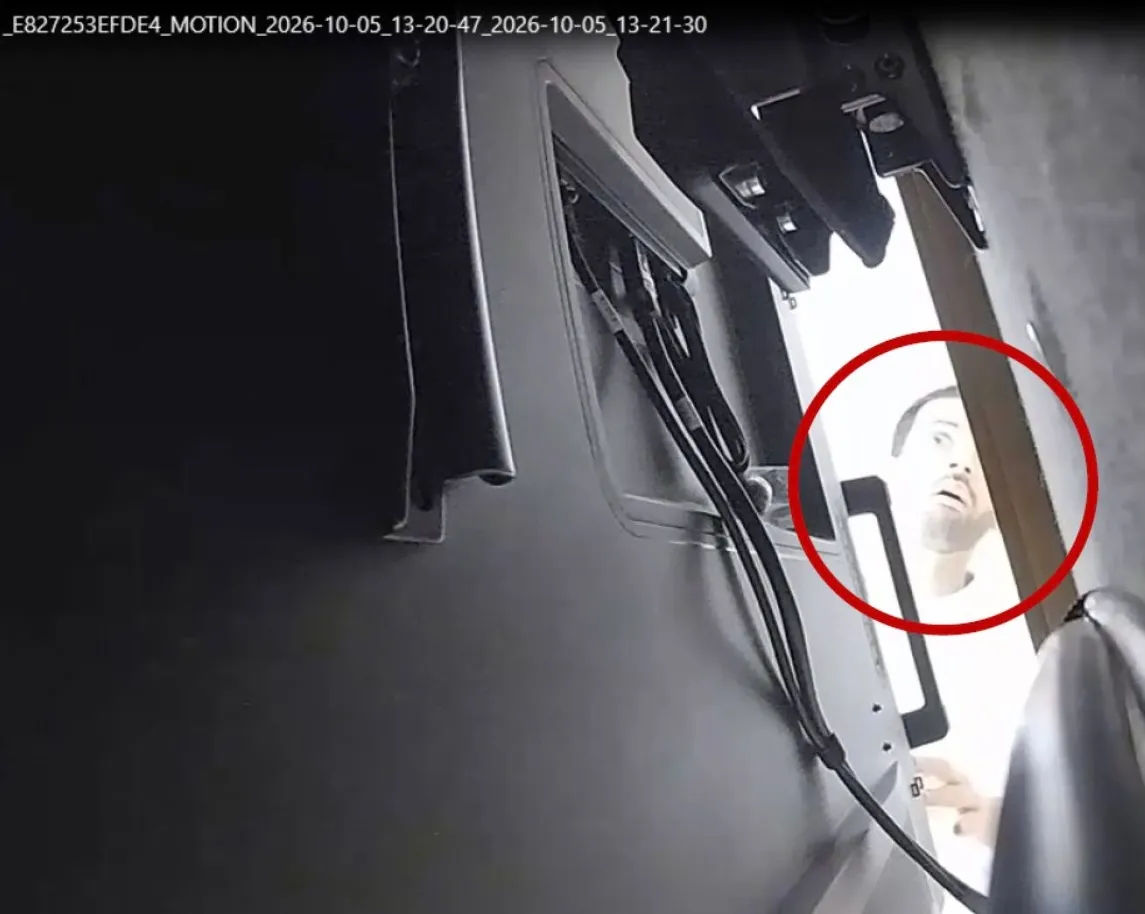
FBI agents arrested Abdulrahman Alfozan, an OpenAI employee, on October 9 2026 after the company discovered a hidden recording device placed in one of its executive conference rooms. The device was found inserted into the USB port on the back of a television in OpenAI’s San Francisco office.
The Key Details
- Employee: Abdulrahman Alfozan, a Saudi national who joined OpenAI in July 2025 and worked on the product team.
- Allegation: He planted a covert recording device to intercept oral communications without permission.
- Device description: According to OpenAI, the device contained advanced encryption, audio‑monitoring capabilities, and a mechanism for transferring data designed to evade monitoring.
- Discovery: OpenAI’s internal AI models were used to understand the "sophisticated" device after it was spotted.
- Company statement: OpenAI said there are no indications the employee accessed model weights, source code, or customer data.
- Legal charge: He is charged with using an electronic device to intercept oral communications, a crime that carries a maximum penalty of five years in prison.
- FBI comment: FBI Director Kash Patel said the scheme aimed to "capture sensitive communications about the company’s super intelligence technology."
- Current status: Neither Alfozan nor his attorney has commented publicly.
Why It Matters
The case highlights how insider threats can target cutting‑edge AI research. Even though OpenAI says no model or customer data was taken, the alleged attempt to record internal discussions about "super intelligence technology" shows that competitors or state actors may seek to gain insight into a company’s strategic AI roadmap through low‑tech means such as hidden audio recorders.
What It Means for Readers
- Technology users: The incident serves as a reminder that the security of AI firms involves not only cyber defenses but also physical office security.
- Businesses: Companies developing proprietary AI models may need to review both digital and physical access controls, especially in shared spaces like conference rooms.
- Developers and researchers: Knowing that conversations about future AI capabilities could be recorded underscores the value of discussing sensitive topics in secure, vetted environments.
- General audience: The story illustrates how national security agencies treat AI innovation as a strategic asset, warranting counter‑intelligence attention.
What Happens Next
Alfozan faces prosecution in the U.S. District Court for the Northern District of California. If convicted, he could receive up to five years in prison. The legal process will determine whether any additional charges—such as theft of trade secrets or economic espionage—are pursued.
VANTIX Takeaway
The arrest shows that protecting AI innovation requires vigilance beyond firewalls and encryption; physical security and personnel vetting are equally important to prevent covert attempts to capture a company’s strategic discussions.


