What Happened
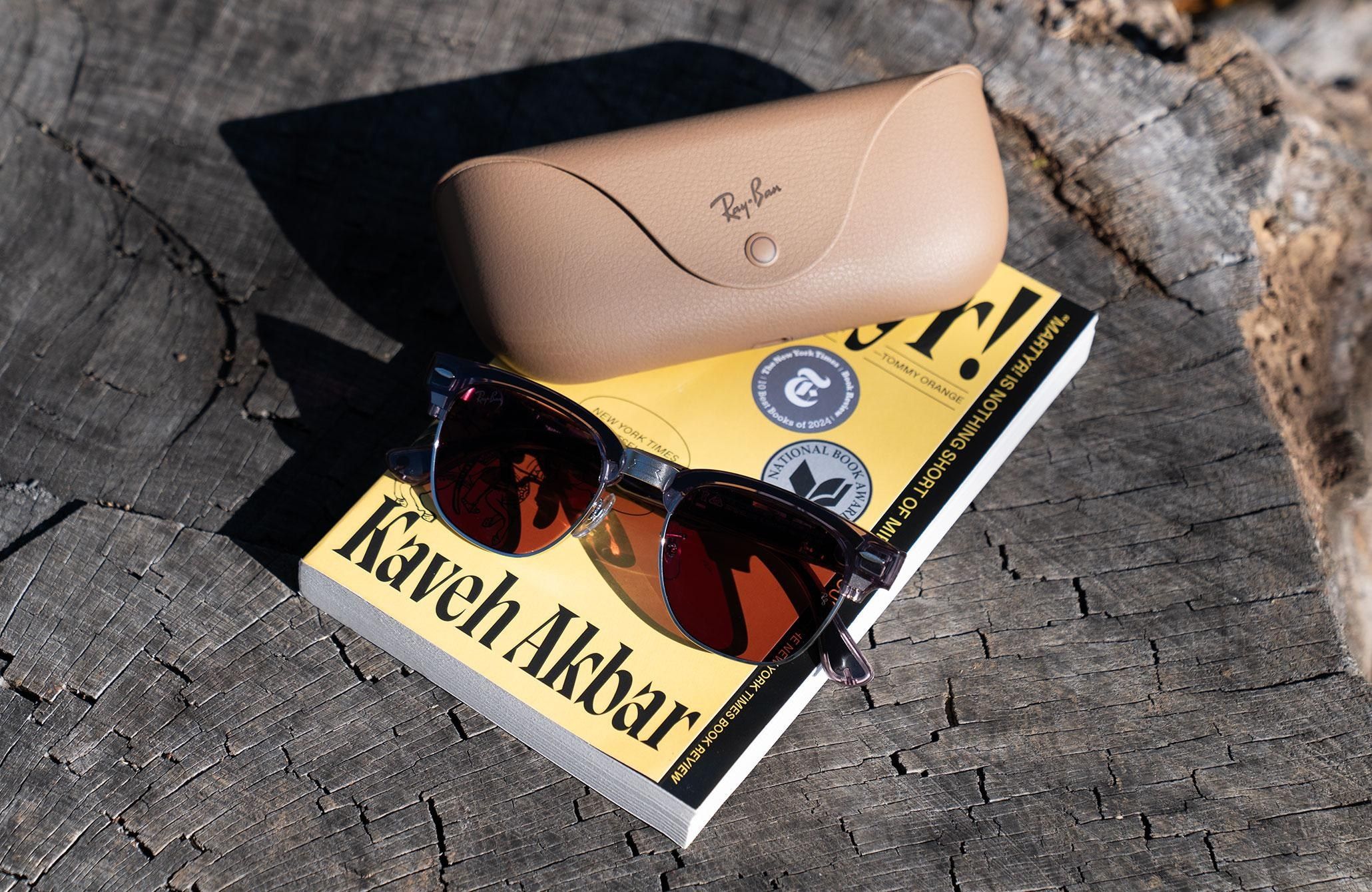
Meta has released a camera-free version of its Ray-Ban smart glasses. The Ray-Ban Meta Audio glasses keep the open-ear speakers and AI assistant but drop the camera entirely. The Verge's Victoria Song spent several days testing them and found a product that solves the "creep factor" of camera glasses but struggles to justify its $350 price tag.
The Key Details
Hardware and Design
- Two styles: Clubmaster (retro) and Burbank (Wayfarer-esque)
- Weight: 43–47g, noticeably lighter than camera-equipped models
- Clubmaster includes nose pads — helpful for low nose bridges
- Adjustable temple tips for better fit
- Prescription lens support: -12 to +6 range (wider than previous models)
- Battery life: two full workdays without returning to the charging case
Audio Performance
- Open-ear speakers with decent but not exceptional quality
- Struggles at high volumes: treble turns tinny, bass distorts
- Noticeable sound leakage — people nearby can hear your audio and calls
- Ambient noise (subways, traffic) can drown out content even at max volume
- Useful for situational awareness: hearing traffic, family, or coworkers while listening
AI and Smart Features
- Ships with Muse Spark (less powerful than the upcoming Muse model)
- "Hey Meta" wake word (can be disabled in favor of a physical button)
- Integrates with messaging apps, Google Calendar, email, location sharing
- Handles simple tasks: reminders, calendar checks, sending location
- Struggles with complex requests — faster to use a phone
- Turn-by-turn walking directions and local recommendations (hit or miss)
- No camera means no visual AI analysis, no live translation, no accessibility features for low-vision users
- FDA-cleared hearing assistance and live captioning not available
- Full Muse AI expected later in 2026
Privacy
- No camera = no visual recording capability
- Prominent privacy opt-outs during setup (visual data, additional data sharing)
- Voice data still used by Meta
- No native conversation recording feature
- Live translation and other audio features require manual activation
Pricing and Agreements
- $350 starting price (without prescription lenses)
- Camera-equipped Meta Glasses start at $250
- Requires Meta account + Meta AI app
- 2 mandatory agreements, 8 supplemental, several optional for integrations (WhatsApp, Spotify, Apple Music, etc.)
Why It Matters
The Ray-Ban Meta Audio glasses represent a deliberate product strategy: remove the camera to remove the privacy backlash. For Meta, this tests whether consumers want smart glasses primarily as headphones with an AI assistant, rather than as cameras you wear on your face.
The review highlights a tension in the wearable category. Camera glasses enable powerful multimodal AI (describing what you see, accessibility for blind users, candid content creation) but trigger social discomfort. Audio-only glasses avoid that discomfort but lose the most differentiated capabilities.
For the broader market, this product tests the ceiling for "headphones you wear as glasses." At $350, they compete with premium wireless earbuds and the camera-equipped Meta Glasses that cost less and do more.
What It Means for Readers
For everyday users: These are essentially stylish open-ear headphones with a so-so AI assistant. If you value situational awareness (hearing traffic while running, hearing family at home) and hate earbuds, they're a competent option. If you want noise isolation or great sound quality, look elsewhere.
For privacy-conscious buyers: No camera means no visual recording. But the always-listening microphone for "Hey Meta" remains, and voice data is still collected. You can disable the wake word and use the physical button instead.
For prescription wearers: The -12 to +6 range covers many high prescriptions that previous smart glasses excluded. Prescription lenses add cost and require sharing data with Ray-Ban/LensCrafters.
For accessibility needs: These are not the best option. Low-vision users benefit from the camera on standard Meta Glasses. Deaf/hard-of-hearing users should wait for the Meta Ray-Ban Display (live captioning) or FDA-cleared hearing features.
For African markets: No regional pricing or availability information was provided. At $350 USD before import duties and taxes, these would be a premium purchase. The open-ear design suits climates where earbuds get sweaty, but sound leakage may be an issue in shared transport or offices.
What Happens Next
- Full Muse AI model expected later in 2026 — could expand capabilities
- FDA-cleared hearing assistance features promised but not dated
- Meta Ray-Ban Display (with live captioning) exists as a separate product line
- Continued debate around AI wearables, ambient listening, and the definition of "recording"
VANTIX Takeaway
The Ray-Ban Meta Audio glasses prove you can make smart glasses that don't feel creepy — you just have to accept they're mostly headphones. At $350, they're a tough sell against the $250 camera-equipped version that does more, or against dedicated open-ear headphones that sound better. The camera removal solves a social problem but creates a value problem. Wait for the full Muse AI or a price drop unless you specifically need prescription-friendly, camera-free open-ear audio today.


