What Happened
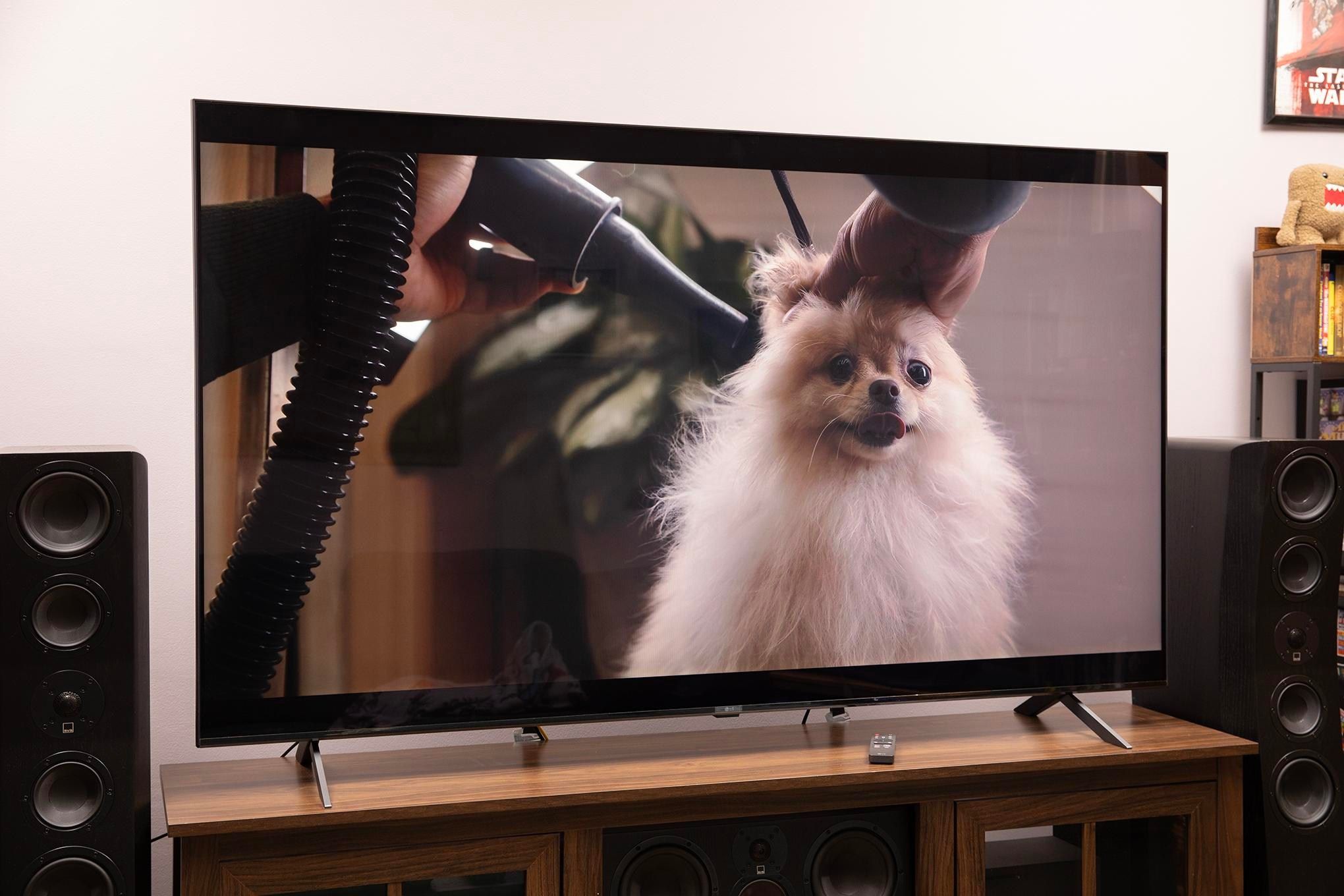
John Higgins' in-depth review of the LG MRGB95B (75-inch Micro RGB evo) exposes notable limitations in this $3,600 RGB LED television. While the TV delivers impressive brightness—peaking at 4,011 nits in HDR Filmmaker mode—and excellent color saturation covering 100% of the P3 color gamut, it falls short in critical areas that impact everyday viewing experiences.
The Key Details
Specs and Capabilities
- Display Type: RGB LED
- HDR Formats: Dolby Vision, HDR10, HLG
- Operating System: webOS 26
- HDMI Inputs: 4x HDMI 2.1 (one includes eARC)
- Audio Support: Dolby Atmos, Dolby Atmos FlexConnect, Dolby Digital, Auracast
- Gaming Features: VRR, ALLM, Game Optimizer, G-Sync compatible
- Available Sizes: 75, 86, 100 inches
Strengths
- Exceptional brightness suitable for well-lit rooms
- Vibrant color reproduction with near-complete P3 gamut coverage
- Four HDMI 2.1 ports supporting modern gaming and streaming
- Strong gaming features including variable refresh rate (VRR) and adaptive low latency mode (ALLM)
Notable Weaknesses
- Color Accuracy: Even out-of-the-box, the picture shows noticeable color inaccuracies—white clouds appear bluish, and skin tones lean cool
- Reflectivity: The glossy screen coating creates distracting reflections in moderate lighting, causing rainbow artifacts
- Viewing Angles: Colors wash out at off-axis viewing positions, reducing visual fidelity
- Blooming: The TV exhibits more blooming than competing RGB LED models
Why It Matters
The MGMB represents LG's push into RGB LED technology, which uses zones of individual red, green, and blue LEDs for backlighting. While this approach enables brighter images and broader color coverage, it introduces challenges that OLED displays handle more gracefully. The review highlights a key trade-off: RGB LED TVs excel in brightness and color volume but struggle with color precision, reflection management, and viewing angle consistency.
For viewers prioritizing accurate color reproduction, deep blacks, and wide viewing angles, the LG MRGB95B is not the optimal choice. Its struggles with color accuracy and reflective surface make it less compelling than OLED alternatives that can turn individual pixels off, delivering superior contrast and perfect blacks.
What It Means for Readers
For Smartphone Buyers and General Consumers: The review suggests that if budget allows, opting for an OLED TV (such as LG's own G6 series or Samsung's S95H) offers substantially better performance. These OLEDs maintain consistent color accuracy regardless of viewing position, eliminate blooming, and provide far superior contrast. The $3,600 price tag for the MRGB95B becomes harder to justify given these compromises.
For Gamers: While the MRGB95B supports advanced gaming features like VRR and ALLM, its color inaccuracies and reflective screen could detract from immersive gameplay, particularly in mixed-light environments typical of home setups.
For Home Entertainment Enthusiasts: If bright-room viewing in sunny conditions is the primary concern, the MRGB95B shines. However, for movie nights in darker rooms or for users sensitive to reflections, an OLED alternative is recommended.
What Happens Next
The review concludes that LG's OLED lineup (e.g., the G6 series) presents the best value proposition for most users seeking superior picture quality. The MRGB95B remains viable for specific scenarios—particularly bright, well-lit spaces—but should not be considered the top choice when OLED options exist at comparable price points.
Takeaway
While the LG MRGB95B delivers impressive brightness and vibrant colors, its color inaccuracies, reflective screen, and subpar viewing angles make it less compelling than OLED alternatives. For most households, spending a few hundred dollars more on an LG OLED or a Samsung S95H yields noticeably better picture quality without sacrificing the premium experience expected from these brands.


