What Happened
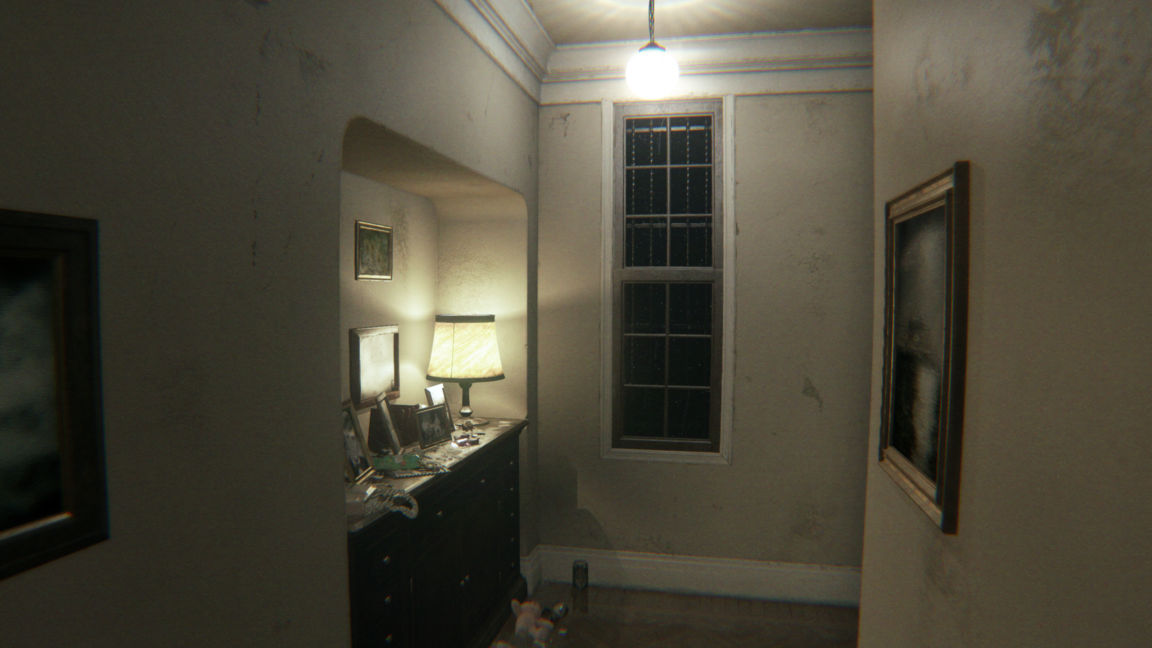
A developer named Lorean Xavier has made an open‑source porting tool that converts the PlayStation 4 version of Hideo Kojima’s cancelled "playable trailer" P.T. into a native PC executable. The tool rebuilds the game’s engine using C++ and Vulkan, drawing directly from the original PS4 files to recreate every level, model, texture, sound, script and cutscene.
The Key Details
- P.T. was originally released as a free demo on the PlayStation Store in 2014 and later removed, leaving it playable only on PS4 consoles that had downloaded it during its availability window.
- The new port requires users to possess a legitimate decrypted copy of the original P.T. PS4 files; the tool does not distribute the game itself.
- Beyond a faithful recreation, the PC version includes upscaling, frame‑generation, a camera mode, experimental third‑person and VR support, and a "museum" section where players can view and listen to in‑game assets, including content that was not used in the final release.
- The project is hosted on GitHub and is open source, inviting further community contributions.
Why It Matters
For over a decade the only way to experience P.T. was on aging PS4 hardware, making the game increasingly difficult to access as those consoles fail or are retired. The PC port offers a preservation route that keeps the title playable on modern systems while adding performance and feature enhancements that were not possible on the original console release.
What It Means for Readers
- Gamers and horror fans who have long sought a legal way to play P.T. can now do so on PC, assuming they can obtain a copy of the original PS4 files.
- Developers and preservationists see a concrete example of how open‑source tools can resurrect discontinued titles without infringing on distribution rights, as the method relies on user‑provided assets.
- PC enthusiasts benefit from graphical upgrades, higher frame rates, and experimental modes such as VR that extend the original experience.
What Happens Next
Because the source code is publicly available, the community can continue to improve the port—adding bug fixes, further optimizations, or new features. The project’s GitHub page serves as the hub for updates, and any future developments will depend on contributor interest and the continued availability of the original game files.
VANTIX Takeaway
The P.T. for PC project shows how fan‑driven, open‑source efforts can rescue culturally significant games from obsolescence, giving them a second life on contemporary platforms while respecting the need for users to supply the original, legally obtained assets.


