What Happened
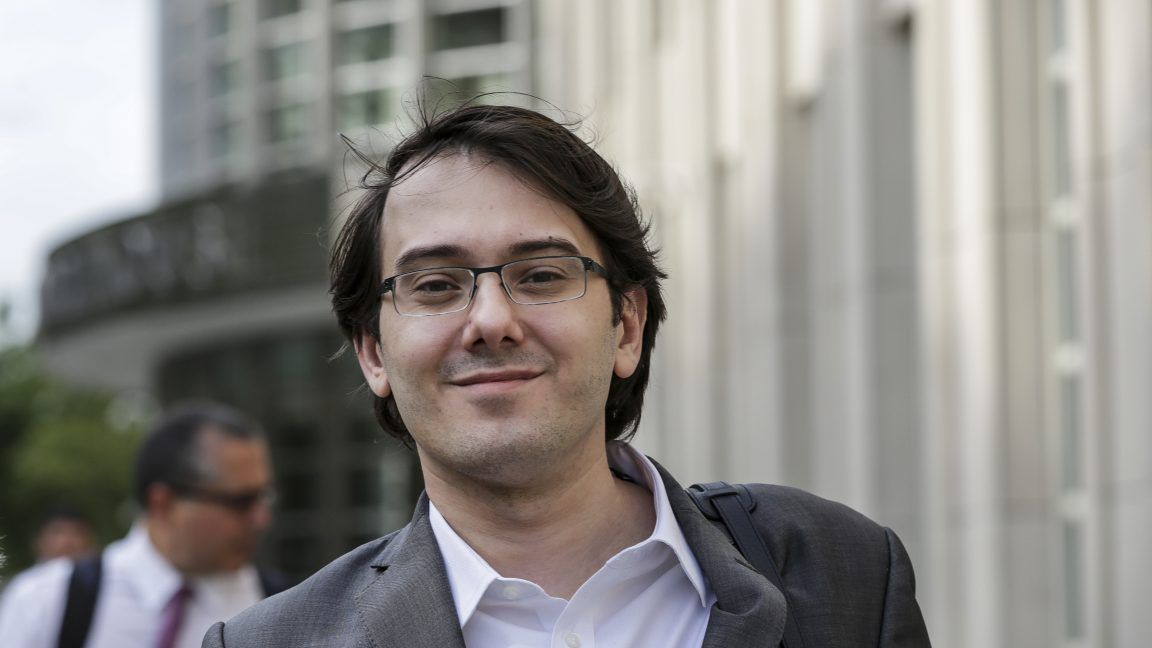
In October 2026 the Federal Trade Commission (FTC) together with the attorneys general of New York, California, Illinois, North Carolina, Ohio, Pennsylvania and Virginia filed a request with a federal court to find Martin Shkreli in contempt of a lifetime ban that bars him from participating in the pharmaceutical industry. The agencies allege that Shkreli has repeatedly violated that ban by buying and selling shares of numerous drug companies and by talking about the pharmaceutical business during livestreams on social media.
The Key Details
- Shkreli became widely known in 2015 after raising the price of the antiparasitic drug Daraprim from $17.50 to $750 per pill, a move that blocked generic competitors and led to a fraud conviction and a seven‑year prison sentence.
- In 2022 a federal court imposed a lifetime industry ban on him, explicitly prohibiting ownership of stock in any pharmaceutical company and any public statements that could affect a drug company’s business.
- According to the FTC and the seven states, Shkreli has “flagrantly and repeatedly” violated that ban nearly continuously since it was issued, primarily through stock trading in dozens of drug firms and through livestreamed commentary on social platforms.
- The agencies are asking the court to order Shkreli to divest all pharmaceutical holdings, to pay a fine equal to the profits he earned from those trades, and to establish “clear and escalating consequences” for any future violations, which could include additional financial penalties and incarceration.
- The same group of states joined the FTC in a 2020 lawsuit over the Daraprim price‑hike scheme.
Why It Matters
The case tests the enforceability of industry bans intended to prevent individuals who have committed serious fraud from re‑entering or influencing the sector they harmed. If the court agrees that Shkreli’s actions constitute contempt, it could reinforce the authority of such bans and signal that violations will be met with swift financial and criminal repercussions. Conversely, a finding that the ban is difficult to enforce might prompt regulators to consider tighter monitoring tools or alternative remedies for repeat offenders in highly regulated industries like pharmaceuticals.
What It Means for Readers
For investors, the episode highlights how personal conduct of high‑profile figures can create legal risks that extend beyond the individual to the companies they trade. For consumers and patients, it serves as a reminder of the lasting impact of drug‑pricing controversies on public trust in the pharmaceutical market. For professionals working in biotech or pharma compliance, the situation underscores the importance of adhering to court‑ordered restrictions and the potential consequences of circumventing them through indirect activities such as stock trading or public commentary.
What Happens Next
The federal judge will decide whether to hold Shkreli in contempt based on the evidence presented by the FTC and the states. If contempt is found, the court will determine the appropriate divestment, fines, and any escalating penalties for future breaches. The outcome may also influence how regulators structure and enforce similar bans in other cases.
VANTIX Takeaway
The core issue is not merely Shkreli’s personal behavior but whether a lifetime ban can effectively keep a convicted fraudster away from influencing an industry whose actions directly affect drug availability and pricing. The proceeding will test the strength of such regulatory tools and may shape future approaches to deterring repeat misconduct in the pharmaceutical sector.


