# What Happened
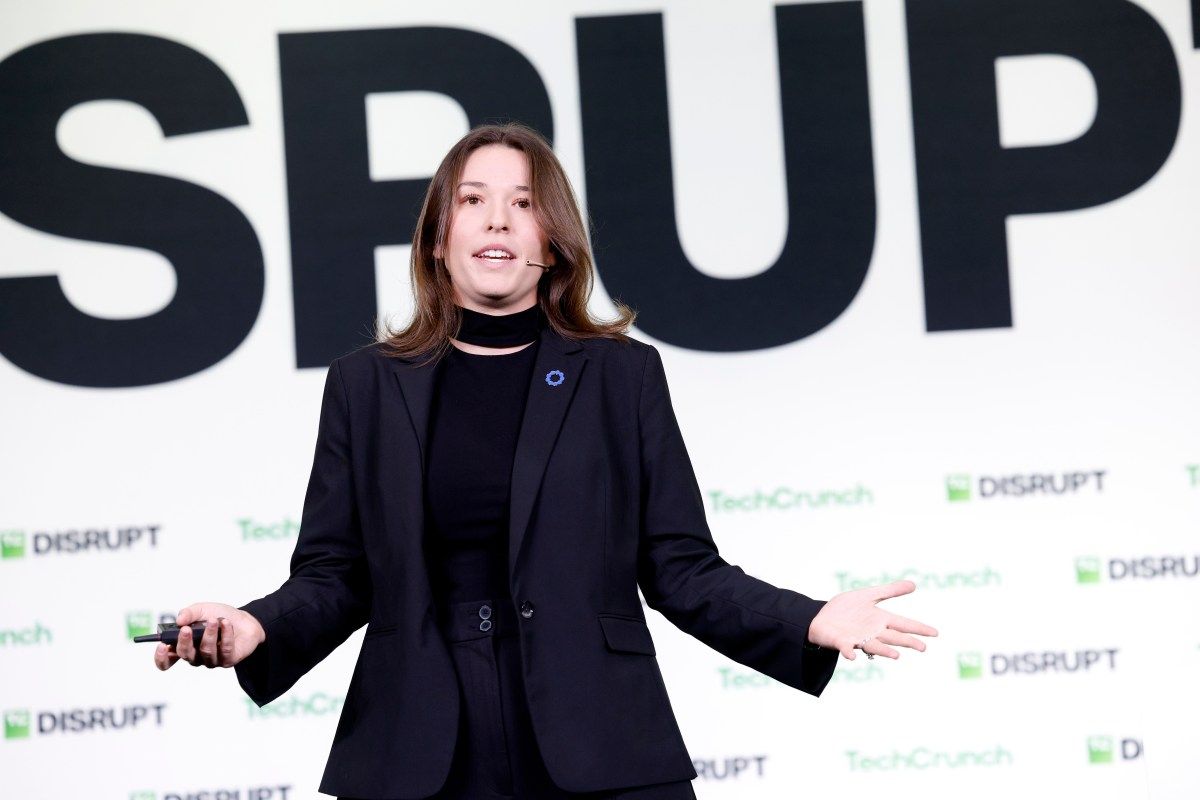
TechCrunch Disrupt 2026 has narrowed its Startup Battlefield field to five finalists after two days of pitches from 20 companies. The finalists will compete on Thursday at 11:30 am Pacific for a $100,000 equity‑free prize and the Startup Battlefield Cup.
The Key Details
- Apate – Deploys thousands of AI agents that pose as potential victims to engage scammers, gather intelligence, and waste fraudsters’ time across calls, messages, emails, phishing links, and social media.
- Flox Intelligence – Uses edge devices with on‑device perception models to detect wildlife and emit species‑appropriate deterrent sounds, offering an alternative to sirens, lights, fences, falcons, or culling.
- Intero Biosystems – Develops human intestinal organoids that contain multiple cell and tissue types, aiming to provide a more realistic model for testing drugs and compounds before human trials.
- Industrial Next – Builds AI‑driven, self‑contained robotic stations powered by proprietary foundation models that integrate vision, task context, and motion, allowing production lines to be retooled in minutes rather than weeks; some units are already used in making a popular smartphone.
- Satlyt – Creates software that lets multiple satellites share computing workloads in space, having flown the software on two demonstration missions; the goal is to establish a shared computing cloud between satellites to reduce reliance on ground‑based flight controllers.
The finalists represent the four competition categories: space and physical AI, energy and manufacturing, health tech and life sciences, and enterprise and security.
Why It Matters
The Startup Battlefield highlights early‑stage companies tackling concrete problems with technology that could shift industry practices. Apate’s approach could reduce the success rate of scam operations, Flox’s system offers a non‑lethal way to protect crops and property, Intero’s organoids may improve drug‑testing accuracy, Industrial Next’s robots could accelerate manufacturing flexibility, and Satlyt’s space‑computing software might lower operational costs for satellite constellations.
What It Means for Readers
- Technology users – Innovations like Apate’s anti‑scam agents could eventually translate into consumer‑facing tools that help block fraudulent calls or messages.
- Businesses – Industrial Next’s retoolable robotic stations suggest a path toward faster adaptation of production lines, relevant for manufacturers seeking agility.
- Developers and creators – Satlyt’s satellite‑computing model points to new possibilities for distributed processing in orbit, which could affect future space‑based applications.
- Health‑focused audiences – Intero’s organoid technology underscores ongoing efforts to create more human‑relevant preclinical models.
What Happens Next
The five finalists will present their demos and answer questions before a panel of expert judges on Thursday at 11:30 am Pacific. The judges will select a winner, who will receive the Startup Battlefield Cup and $100,000 equity‑free. The event will be streamed live for those who cannot attend in person.
VANTIX Takeaway
The Startup Battlefield finals showcase how early‑stage ventures are applying AI, biotechnology, robotics, and space‑focused software to real‑world challenges—offering a glimpse of technologies that may shape industries and everyday life in the near term.


