What Happened
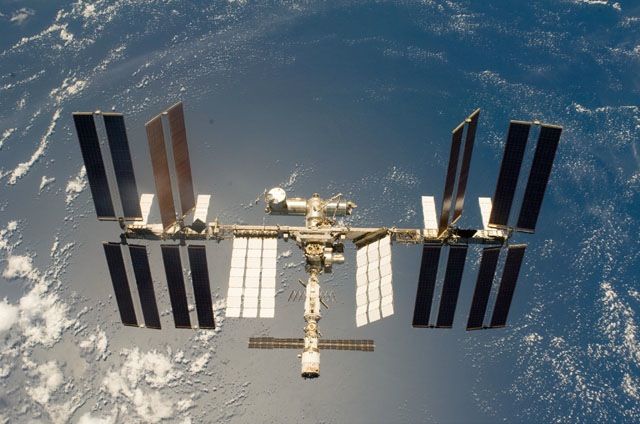
NASA has formally launched a request for proposals (RFP) inviting U.S. commercial space companies to design and build private space stations intended to serve as successor platforms to the International Space Station in low Earth orbit (LEO). The announcement, published on October 9, 2026, marks a significant strategic move by the agency to ensure continued American presence in LEO while leveraging private sector innovation.
The 360-page solicitation, titled "Request for Proposals," outlines NASA's vision for a sustained human presence in LEO. According to NASA Administrator Jared Isaacman, the agency has made it clear that "NASA will never give up its presence in low Earth orbit." The rationale for developing private space stations centers on enabling crew members to conduct scientific research, develop new technologies, train astronauts, and prepare for upcoming deep-space missions to the Moon and Mars.
The Key Details
Goals and Objectives
NASA's primary objective is to secure a continuous human presence in LEO through partnerships with commercial entities. The proposed private stations would allow astronauts to live and work in orbit, supporting:
- Scientific research across various disciplines
- Technology development for future space applications
- Crew training and simulation environments
- Mission preparation for upcoming lunar and Martian endeavors
Timeline
Industry responses are due by December 8, 2026. NASA plans to select two or more contractors during the initial phase of the competition, with a final decision scheduled for April 2027.
Potential Participants
The document specifically highlights several companies actively pursuing this opportunity:
- Axiom Space
- Voyager Space
- Vast Space
Blue Origin previously secured funding from NASA but faces uncertainty regarding its current commitment level to the program. SpaceX is considered unlikely to participate in this phase at this time.
Funding Commitment
Phase 1 contractors are guaranteed a minimum budget of $100 million, providing substantial financial backing for design, prototyping, and development activities.
Why This Matters
This announcement represents a pivotal moment in the evolution of commercial spaceflight. By formally calling for private station development, NASA is:
- Accelerating the transition from government-only LEO operations to a multi-stakeholder ecosystem involving both public agencies and private innovators.
- Creating economic opportunities for American aerospace companies and potentially expanding the U.S. role in global space infrastructure.
- De-risking deep-space preparation by establishing operational habitats in LEO before committing to the more challenging lunar and Martian journeys.
- Setting a precedent for other international space agencies to engage with commercial partners for sustained orbital presence.
The emphasis on maintaining a sustained human presence in LEO aligns with NASA's broader Artemis program objectives, positioning private stations as critical nodes in the chain leading to sustainable lunar and eventually interplanetary exploration.
For industry observers, this announcement signals increased competition among commercial space providers and opens new pathways for collaboration between NASA and private firms. For policymakers, it reflects a strategic pivot toward leveraging private capital and expertise to achieve long-term space ambitions.
What It Means for Readers
For Technology Professionals: The RFP introduces new technical requirements and partnership models that could influence spacecraft design, life-support systems, and commercial space architecture. Understanding these specifications may inform hiring priorities and investment decisions.
For Business Leaders: The $100 million floor for Phase 1 contracts suggests significant funding availability for vetted commercial space ventures. Companies with proven track records in modular space systems, life support, and crew operations may find favorable conditions for entry.
For General Technology Enthusiasts: This development underscores the growing convergence of commercial enterprise and national space strategy. Private space stations represent a tangible manifestation of how the private sector can drive progress in areas traditionally dominated by government agencies.
For Students and Early-Career Professionals: The program offers potential internship and employment avenues within the emerging commercial space ecosystem. Careers in aerospace engineering, systems integration, and project management are likely to expand alongside the launch of these initiatives.
What Happens Next
Industry responses must be submitted by December 8, 2026. Following review, NASA will announce selected contractors in April 2027. Winners will be evaluated based on their ability to meet the technical and operational requirements outlined in the RFP. The selection process will determine whether one or multiple private stations are developed, each serving as stepping stones toward NASA's long-term vision for sustained human presence in low Earth orbit.
VANTIX Takeaway
NASA's call for private space stations marks a decisive step toward a hybrid model of space exploration where government and industry collaborate to maintain a permanent human footprint in orbit. The program not only secures NASA's continued LEO presence but also catalyzes the growth of the commercial space sector, creating new opportunities for American companies and advancing humanity's journey beyond Earth.
---
Reported by VANTIX
Category: Startups Region: Global Confidence: 0.92 Tags: NASA, SpaceStations, CommercialSpace, AxiomSpace, VoyagerSpace, VastSpace, BlueOrigin, SpaceExploration


