What Happened
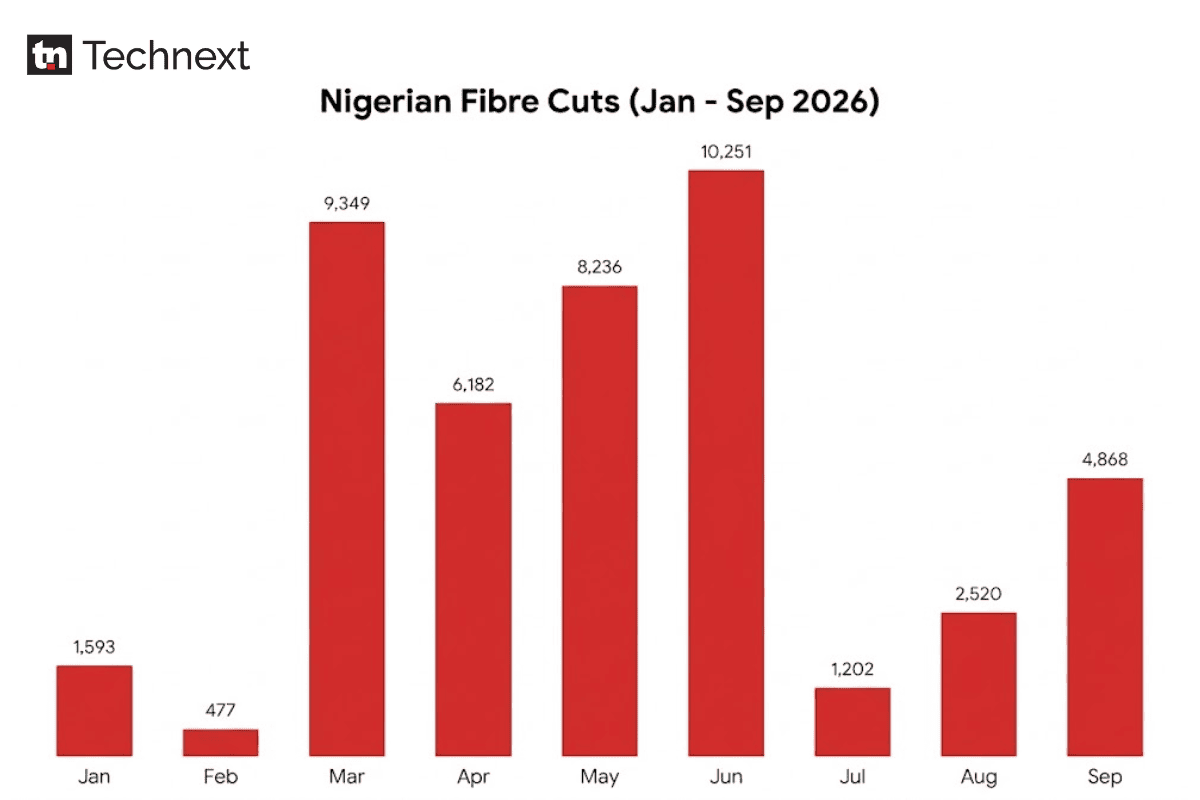
Nigerian telecoms operators experienced a staggering number of fibre cuts during the first nine months of 2026. According to data released by the Nigerian Communications Commission (NCC), the total reached 44,678 cuts across the period.
The figure represents a significant disruption to the country's telecommunications backbone, which underpins internet connectivity, mobile networks, and digital services across Nigeria.
The Key Details
- The data covers the first nine months of 2026 only.
- The number of fibre cuts is reported as 44,678.
- The source is the Nigerian Communications Commission (NCC).
- The report was published on October 22, 2026.
Why It Matters
Fibre optic cables form the physical backbone of Nigeria's telecommunications network. When these cables are cut — whether by accident, vandalism, or deliberate interference — it leads to service outages for mobile users, broadband subscribers, and businesses that rely on reliable connectivity. A count this high suggests systemic strain on the infrastructure or widespread incidents affecting multiple operators simultaneously.
For Nigerians who depend on consistent internet access for work, education, commerce, and communication, repeated fibre cuts translate directly into disrupted services, dropped calls, slow data speeds, and interrupted transactions.
What It Means for Readers
For everyday technology users in Nigeria, this data signals that fibre infrastructure reliability remains an ongoing challenge. Businesses, especially those operating online, may experience intermittent connectivity issues. Consumers relying on mobile data or broadband should be aware that infrastructure damage at scale can lead to broader service degradation.
The NCC's transparency in publishing this data is itself important — it gives both regulators and the public visibility into the scale of the problem, which can drive accountability and infrastructure investment.
What Happens Next
The NCC is expected to use this data to assess whether additional measures are needed to protect fibre infrastructure, potentially including stricter enforcement against vandalism, improved monitoring systems, or policy interventions to encourage better maintenance practices among operators.
VANTIX Takeaway
This is a reminder that behind every smooth internet connection in Nigeria lies fragile physical infrastructure that requires constant protection. The high fibre cut count underscores the importance of ongoing investment in network resilience and the role regulatory bodies like the NCC play in safeguarding telecommunications infrastructure for millions of users.


