What Happened
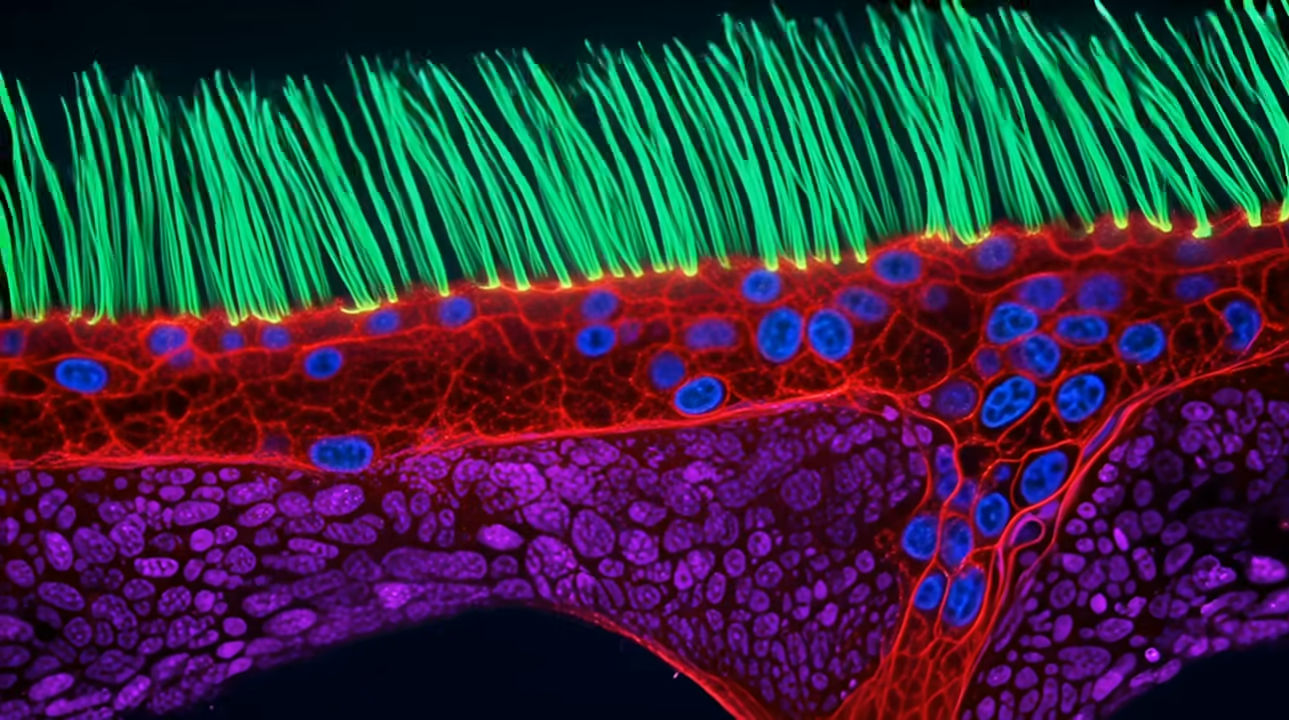
Nikon announced that the video originally awarded first place in its Small World in Motion competition has been disqualified. The decision followed an admission by Dr. Ning Xu that the winning entry incorporated AI‑assisted post‑processing. The video, which depicted tiny hair‑like structures called cilia moving in the airway of a child with the respiratory condition PCD, has been taken down from Nikon’s contest page. A new winner, Nguyen Nam Nhat, now holds the top position in the updated rankings.
The Key Details
- Original winner: Dr. Ning Xu submitted a video showing cilia motion in a child’s airway, claiming it was captured with Nikon’s super‑resolution optical imaging.
- AI use revealed: In a LinkedIn comment, Dr. Xu explained that an “unsupervised neural‑network method was subsequently used for AI‑assisted post‑processing to distinguish and visualize features in the reconstructed grayscale images from the super‑resolution optical imaging.”
- Disqualification: Nikon stated the video “did not comply with the competition rules regarding generative AI.” The entry has been removed from the contest website.
- New champion: Nguyen Nam Nhat’s video now occupies first place in the contest’s updated leaderboard.
- Future review: Nikon indicated it will “revisit rules and evaluation procedures for future competition entries.” The company also clarified that the disqualification “should not be interpreted as a judgment of the entrant’s professional reputation, scientific contributions, or intent.”
- Timeline: Nikon first said it was reviewing the video after online skepticism surfaced. The disqualification and new rankings were announced in early October 2026.
Why It Matters
The incident highlights the growing tension between advancing imaging technology and maintaining clear ethical guidelines for scientific competitions. While AI tools can enhance visualization and reveal details that are otherwise invisible, they also raise questions about authenticity and transparency in entries that claim to be raw captures. For a brand like Nikon, which markets its equipment to both professionals and hobbyists, upholding trust in its contests is essential to preserving credibility.
What It Means for Readers
- Scientists and researchers: The case serves as a reminder to disclose any AI or computational enhancements used in data presentation, especially for competitions that emphasize raw imaging.
- Photography and microscopy enthusiasts: It underscores the importance of understanding competition rules, particularly as AI‑driven post‑processing becomes more common in image creation.
- Technology consumers: The story illustrates how AI can blur the line between captured reality and synthetic enhancement, prompting users to question the authenticity of visual content they encounter.
- Developers of AI imaging tools: The outcome suggests a need for clearer guidelines on permissible AI use in contests that claim to showcase natural phenomena.
What Happens Next
Nikon has pledged to revisit its competition rules and evaluation procedures. Interested participants can expect updated guidelines that may explicitly address AI‑generated or AI‑enhanced content. The company has not announced a specific timeline for these changes, but the review is expected to influence future editions of the Small World in Motion contest.
VANTIX Takeaway
When scientific or technical competitions incorporate rapidly evolving AI tools, transparency becomes the cornerstone of credibility. Dr. Xu’s disqualification is less about the quality of the science and more about the failure to follow disclosed rules. For anyone submitting visual evidence—whether a researcher, hobbyist, or creator—the key takeaway is to be upfront about any AI assistance used, ensuring that the competition’s integrity remains intact while still allowing innovative visualization techniques to shine.
Tags: AI, Nikon, Small World in Motion, Dr. Ning Xu, Nguyen Nam Nhat, generative AI, microscopy, scientific integrity, competition rules, technology ethics.


