What Happened
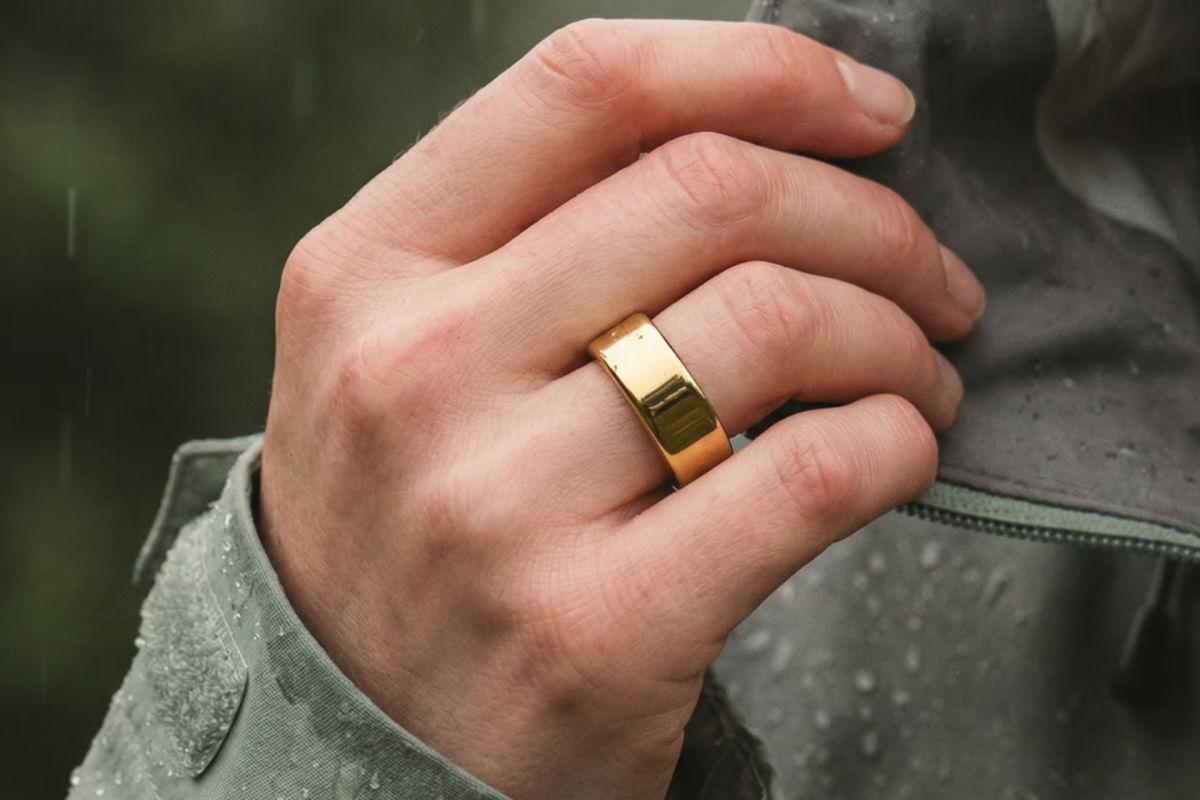
Oura, a company that makes smart rings, has taken legal action against rival Ultrahuman once again. In a new lawsuit, Oura claims that Ultrahuman's Ring Pro product infringes two patents owned by Oura. This is the second time the two companies have been involved in a patent dispute.
The Key Details
- Oura alleges that Ultrahuman's Ring Pro infringes two of its patents.
- The lawsuit is the second filed by Oura against Ultrahuman.
- Ultrahuman had been preparing to bring the Ring Pro to the United States, a move that the lawsuit now threatens.
- The specific patent numbers and the exact nature of the infringement claims are not detailed in the available information.
- The filing date and the court where the case was filed have not been disclosed in the source material.
Why It Matters
Patents are legal tools that give inventors exclusive rights to their inventions. When a company believes another product infringes its patents, it can sue to protect its intellectual property. In the smart ring market, where several companies are racing to bring advanced health‑tracking rings to consumers, such legal challenges can have real consequences.
If the court finds that the Ring Pro does infringe Oura's patents, it could issue an injunction preventing Ultrahuman from selling the product in the U.S. Even without an injunction, the legal battle could delay the launch, increase costs, or force Ultrahuman to redesign the Ring Pro. For a company trying to re‑enter a market, these obstacles can be significant.
The dispute also highlights how intellectual property has become a key battleground in the wearables sector. As the technology matures, companies are increasingly relying on patents to defend their market position and to deter competitors.
What It Means for Readers
- Consumers who are considering a smart ring may want to watch how this case develops. If Ultrahuman's Ring Pro is delayed or withdrawn, the choice of available products could shrink.
- Investors and industry observers should note that patent litigation can affect a company's valuation and its ability to execute product plans.
- Developers and technology enthusiasts might find it useful to understand that many features in modern wearables—such as sleep tracking, heart‑rate monitoring, or battery management—are covered by patents, which can influence which technologies appear in future devices.
- African markets are not directly mentioned in the source material, so the immediate impact on regional availability is unclear. However, global supply chains and distribution networks often mean that legal actions in one country can affect product availability elsewhere.
What Happens Next
The next steps will likely involve legal proceedings in which both sides present evidence. The court will examine the patents and the claims of infringement. Possible outcomes include:
- A settlement between the parties.
- A court ruling that upholds or rejects the infringement claims.
- An injunction that could block sales or require Ultrahuman to modify the Ring Pro.
Until a decision is reached, the status of Ultrahuman's U.S. launch remains uncertain.
VANTIX Takeaway
The smart ring market is becoming a legal as well as a technological contest. This lawsuit shows that companies are willing to use patents to protect their innovations and to challenge rivals, which could shape which products ultimately reach consumers.


