What Happened
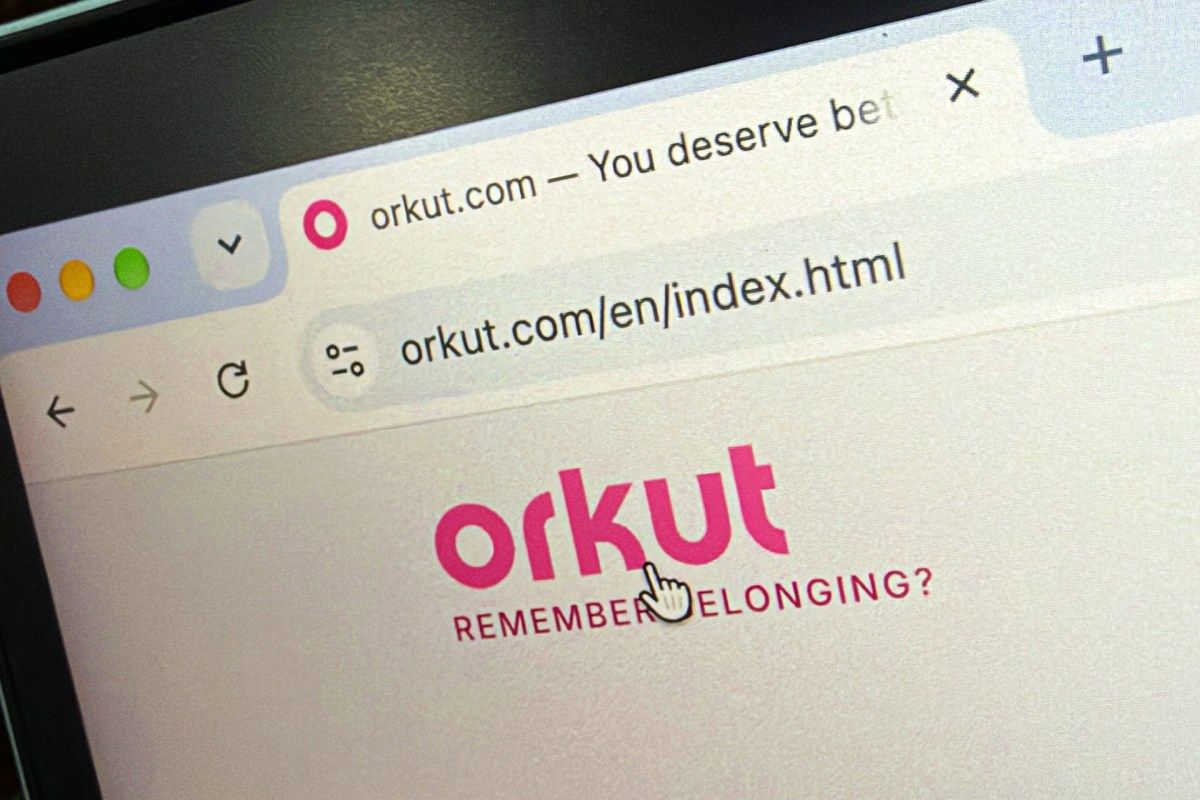
Orkut Büyükkökten, founder of the once-dominant social network Orkut, has publicly called for users to register their support for bringing the platform back. In a Thursday post on X, he directed people to Orkut.com to add their names and invite others, framing the effort as a push to rebuild "the internet we first loved" — one centered on authentic people, real connection, and genuine belonging.
The Key Details
- Original run: Orkut launched in 2004 as a Google side project by Büyükkökten. It became hugely popular in India and Brazil, reaching about 300 million active users at its peak.
- Shutdown: Google closed Orkut in September 2014, redirecting focus to Google+ and YouTube.
- Current appeal: Büyükkökten's letter on Orkut.com criticizes how algorithms and AI-generated content have eroded the core premise of social networking — "that there was a person on the other side."
- Previous attempt: In 2016, he launched Hello, an interest-based social network that attracted over 2 million downloads worldwide before shutting down in 2020.
- Recent signals: Büyükkökten hinted at a new venture in 2022 and told WIRED in 2024 he was building a platform that would "leverage AI and machine learning" to bring people together. That platform has not launched.
- No timeline: The current call for support does not clarify whether a new version of Orkut is in active development, nor does it commit to a launch.
- No official comment: An email to Orkut seeking comment from Büyükkökten went unanswered.
Why It Matters
The move taps into a growing sentiment across the technology world: fatigue with algorithmic feeds, engagement-optimized content, and the rise of AI-generated material that blurs the line between human and synthetic interaction. Büyükkökten's argument — that social networking's value depends on knowing a real person is on the other end — resonates with ongoing debates about platform design, trust, and digital well-being.
Orkut's own history also illustrates how quickly network effects can shift. A platform that once defined social media for two of the world's largest internet populations (India and Brazil) was displaced by Facebook within a decade. Any revival would face an even more crowded, entrenched landscape.
What It Means for Readers
For everyday social media users: The initiative highlights a recognized problem — feeds that feel less human and more manufactured. Whether Orkut returns or not, the conversation pressures existing platforms to address authenticity.
For technology observers: It's a case study in founder-led revival attempts. Büyükkökten's track record (Orkut's rise, Hello's modest traction, multiple unrealized hints) suggests execution risk is high.
For African markets: Orkut never gained significant traction in Nigeria or most of Africa, where Facebook, WhatsApp, and later TikTok shaped the social media experience. However, the underlying frustration with algorithmic opacity and the desire for more meaningful digital communities is shared globally. African developers and founders building community-focused products may find the "authentic connection" framing relevant.
What Happens Next
The immediate next step is the public sign-up page at Orkut.com. Beyond that, nothing is confirmed:
- No product roadmap has been published.
- No funding, team, or technical architecture has been disclosed.
- No launch timeline exists.
Readers should treat this as a signal of intent, not an imminent product.
VANTIX Takeaway
A social media pioneer is asking the internet to vote for a return to human-first networking. The sentiment is widely shared; the execution remains entirely unproven. Watch for whether this moves beyond a waiting list into a shipped product — and whether any new platform can solve the discovery and moderation challenges that algorithms were originally built to address.


