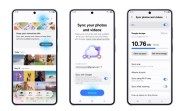
Samsung has officially detailed the next stage of its Gallery cloud sync change: selected Galaxy devices will now keep a copy of Gallery content in Google storage rather than relying on the previous direct OneDrive connection.
The company says the rollout has begun on some Galaxy phones and tablets running One UI 9. It will expand in phases, and Samsung notes that the feature may not be available in every market.
What is changing
Gallery sync is the feature that keeps a copy of photos and videos in a cloud service. Samsung's update moves that sync to Google storage. The change follows the end of direct OneDrive sync on September 30 and the planned shift of Gallery cloud sync to Google Photos.
How the storage works
The feature uses the user's existing Google storage. That means the same free 15GB allowance shared across Gmail, Google Drive and Google Photos. If a user needs more room, additional space is available through Google One subscriptions. Google One is Google's paid storage service.
Who gets it first
The rollout is limited to select Galaxy phones and tablets running One UI 9. One UI is Samsung's Android interface. Because the release is phased, not all eligible devices will receive it at the same time. Samsung also says availability may vary by market.
What remains unclear
The available details do not specify which Galaxy models are included, when the wider rollout will finish, or whether users will need to take action to enable the new sync. They also do not explain how existing OneDrive backups will be handled after the switch. Since the feature may not be available in some markets, users should not assume it will appear on every One UI 9 device immediately.
What it means for readers
For Galaxy users, the practical effect is that Gallery backups will rely on Google's storage ecosystem. That may be convenient for people already using Gmail, Drive and Photos, but it also means photo backups will count against the same 15GB free allowance unless more space is purchased. Users who depended on OneDrive sync will need to understand the new arrangement once it reaches their device.


