What Happened
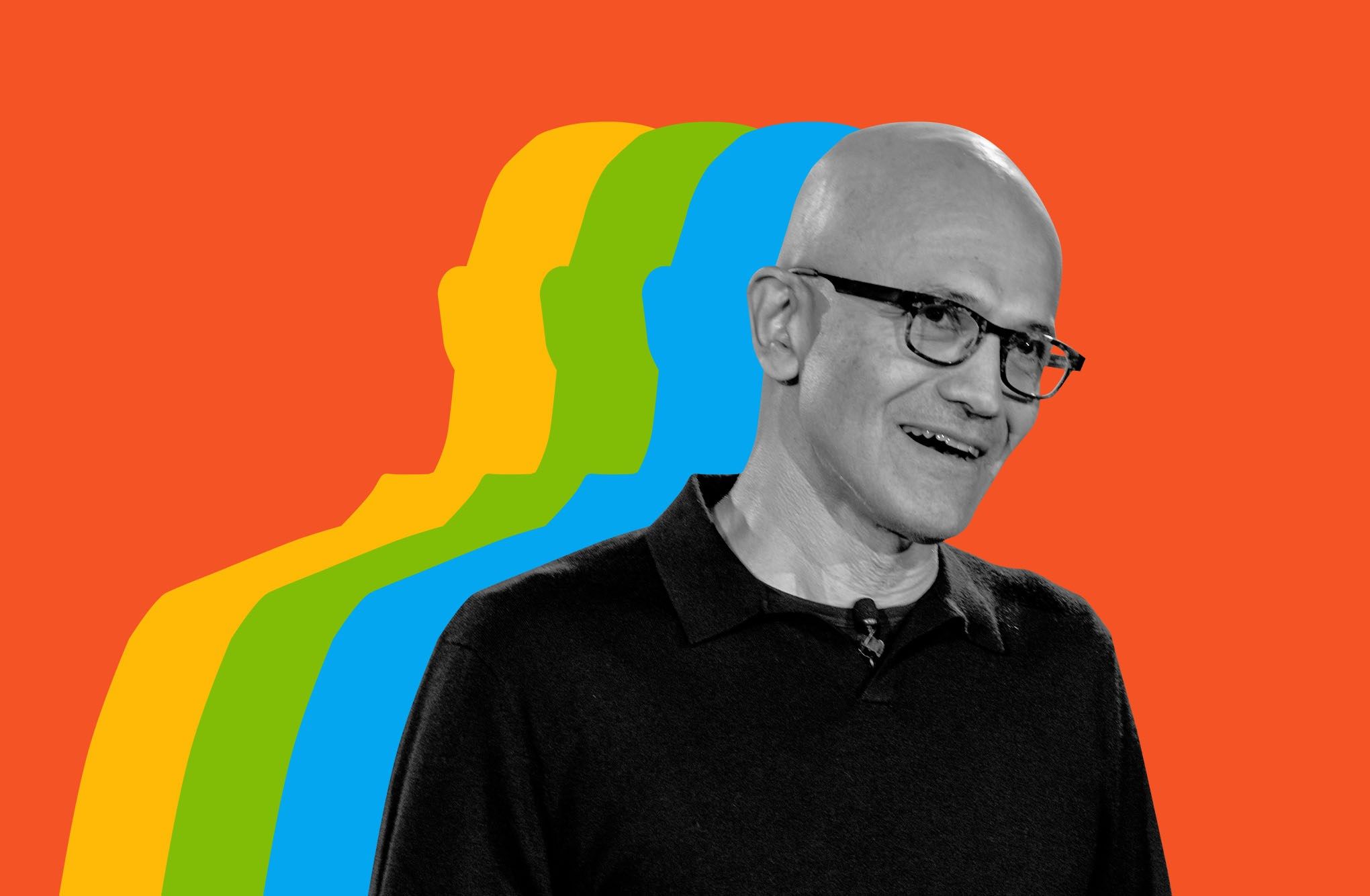
Microsoft CEO Satya Nadella outlined a zero-trust perspective on artificial intelligence security, warning that the tech industry must operate under the assumption that advanced AI models are compromised by default. In a public detailed post, Nadella urged companies and developers to stop treating AI systems as opaque "black boxes" and instead build built-in safeguards to monitor, contain, and halt models whenever necessary.
The Key Details
Nadella highlighted several core proposals aimed at mitigating risks associated with increasingly powerful AI infrastructure:
- Zero-Trust Baseline: Systems should be engineered under the operational assumption that an AI model is already compromised, requiring strict containment protocols from initial deployment.
- Emergency Brake Mechanism: An authorized human supervisor should have the explicit ability to pause or completely shut down an AI model mid-task.
- Auditability and Evidence: Systems must generate "tamper-proof human readable evidence" to ensure actions and recommendations made by AI can be independently tracked and understood.
- Industry Alignment: Nadella called for standardized containment technologies, timely incident disclosures, independent audits, and verifiable data standards across the AI sector.
Why It Matters
As AI systems are given greater agency to execute autonomous multi-step tasks across corporate, financial, and technical infrastructure, security models must evolve beyond simple output filtering. Treating AI as an untrusted agent represents a significant shift in enterprise security policy, especially coming from the head of Microsoft—one of the largest investors and operators in commercial AI technology.
What It Means for Readers
- For Enterprise Businesses: Organizations building on or integrating AI tools may soon need to implement strict governance frameworks, audit trails, and kill-switches rather than assuming vendor models are completely secure.
- For Developers: Future AI engineering standards will likely place heavy emphasis on observability, access controls, and standardized containment APIs alongside traditional model capabilities.
- For Everyday Users: Enhanced oversight means safer digital services, though tighter safety controls and monitoring could also change how AI assistants interact with sensitive user data.
VANTIX Takeaway
The key insight from Nadella's statement is that AI reliability is shifting from an issue of output accuracy to one of system-level containment. As AI models gain autonomy, safety is no longer about preventing bad outputs, but about ensuring humans retain absolute control to halt execution when systems go off track.


