What happened
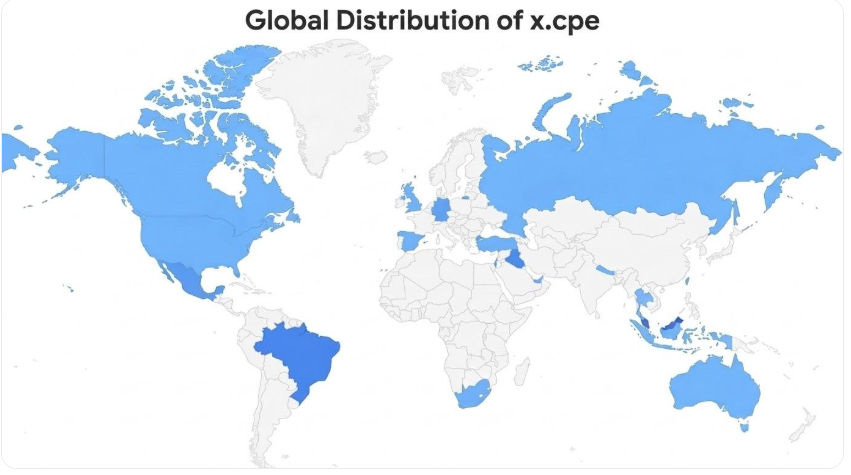
Google said it worked with industry partners to dismantle a botnet that had turned more than 1.3 million Android TV set-top boxes into proxies. The boxes shipped with malicious software that secretly rented the user's Internet connection to strangers and conducted advertising fraud.
The takedown is expected to cut the botnet off from more than 10 million additional compromised systems, which include other Internet of Things (IoT) products such as Android-based healthcare devices and karaoke machines, according to experts involved in the operation.
How the botnet operated
A botnet is a network of infected devices that are controlled remotely without the owners' knowledge. In this case, the malicious software turned each Android TV box into a proxy server. A proxy server acts as an intermediary: when someone wants to access a website or send data, the request first goes through the proxy, which then forwards it. This can hide the real source of the traffic and make it appear to come from the proxy's IP address.
The same software also performed advertising fraud. This typically involves generating fake clicks or impressions on online advertisements, so that advertisers pay for engagement that never reached a real person.
Why this matters
The incident highlights the security risks associated with Internet of Things devices. Many IoT products, including smart TVs, healthcare devices and even karaoke machines, are connected to the Internet and can be compromised if they lack proper security.
For the owners of the affected TV boxes, the hidden software could have used their Internet bandwidth without permission. Security experts note that when a device is turned into a proxy, it can be used to route traffic for others, which may consume the owner's bandwidth and potentially affect their connection speed. The exact impact on individual users was not detailed in the report.
For advertisers, ad fraud is a multi-billion dollar problem. By using the compromised boxes to generate fake traffic, the operators of the botnet could earn money from advertisements that were never seen by real people.
What remains unknown
The report does not specify which brands or models of Android TV boxes were affected. It is also unclear how the malicious software was installed on the devices; whether it was pre-installed by the manufacturer or added later through a vulnerability.
It is not known whether the takedown will remove the malware from the affected boxes or if users will need to take action themselves. Google and its partners have not released details on a fix or a timeline for one.
The bigger picture
The dismantling of this botnet is part of a broader effort by technology companies to combat large-scale malware networks. It underscores the need for stronger security standards in the IoT industry, where devices are often produced with minimal protection and have long lifespans, making them attractive targets for cybercriminals.
The operation also shows that collaboration between companies and law enforcement can be effective in disrupting malicious activities, even when the infected devices are spread across the globe.


