What Happened
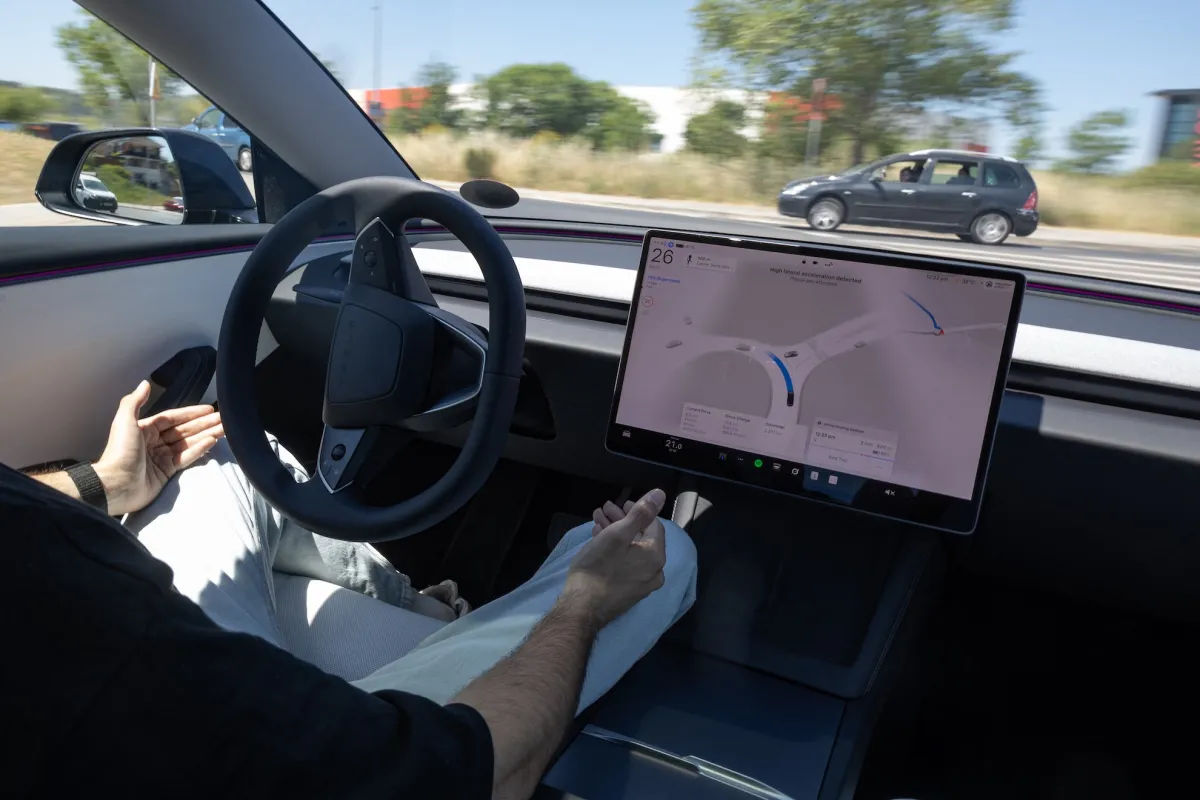
Tesla has changed the name of its advanced driver‑assistance system in Europe from ‘Full Self‑Driving (Supervised)’ to ‘Tesla Assisted Driving.’ The rename came after Germany’s transport minister, Steffen Bilger, said the previous name was misleading because the technology does not perform full driving tasks. Bilger met with Tesla last month, and the company suggested the name change, according to an official ministry release. Bilger said he will now advocate for approval of Tesla Assisted Driving across Europe ahead of an EU‑wide vote that could happen later this year. Tesla CEO Elon Musk thanked Bilger on X for the move.
The Key Details
- Name change: The system is now called ‘Tesla Assisted Driving’ in Europe, replacing ‘Full Self‑Driving (Supervised).’
- Ministerial pressure: German transport minister Steffen Bilger raised concerns about the terminology, meeting with Tesla and prompting the rename.
- Political reaction: Musk publicly thanked Bilger on X, calling the software a life‑saving technology.
- European approvals: The Netherlands became the first European country to approve the system (FSD Supervised).
- Reuters investigation: Reuters reported that Tesla’s campaign for European approval has been built on faulty company safety research and flawed studies, and that the Dutch vehicle safety regulator, RDW, faced fierce pressure from Tesla and its online supporters.
- Software capabilities: Tesla’s driver‑assistance software has evolved from basic lane‑centering and adaptive cruise control to a system that can park, navigate surface streets and highways, and intervene if it senses an oncoming collision—even when the driver is in control.
- Regulatory scrutiny: The system has been at the centre of federal investigations and civil lawsuits over crashes allegedly involving FSD. Tesla discontinued its predecessor, Autopilot, earlier this year after a judge ruled the company had engaged in deceptive marketing about the system’s capabilities.
Why It Matters
The rename is more than a branding exercise. By dropping the ‘Full Self‑Driving’ label, Tesla may ease regulatory resistance in Europe, where officials have argued that the name overstates the system’s capabilities. If European authorities approve Tesla Assisted Driving more broadly, the company could unlock a potentially massive new revenue stream. The episode also highlights ongoing tensions between Tesla’s marketing language and real‑world safety oversight, especially after multiple crashes and lawsuits involving the technology. For readers, the change signals that the terminology around driver‑assistance systems is under scrutiny, and that future purchasing or usage decisions may depend on how regulators interpret the renamed features.
What It Means for Readers
- Everyday users: The system still requires drivers to pay attention and take over when necessary; the name change does not alter the underlying functionality.
- Potential buyers: Europeans considering a Tesla with driver‑assistance features should understand that the technology is still supervised and not fully autonomous.
- Developers and enthusiasts: The rename may influence how other companies label similar systems, and the European regulatory debate could set precedents for autonomous‑driving terminology worldwide.
- African context: No specific connection to Nigerian or broader African markets is provided in the source material; the story is primarily about European regulatory dynamics.
What Happens Next
Germany’s minister said he will advocate for Europe‑wide approval of Tesla Assisted Driving ahead of an EU vote later this year. Tesla may continue lobbying other European nations, and the outcome of the vote could determine how quickly the renamed system rolls out across the continent. Readers should watch for official EU decisions and any further name‑ or policy changes from Tesla.
VANTIX Takeaway
After reading this, the most important thing to understand is that Tesla has softened its branding of driver‑assistance technology in Europe, but the system still requires driver vigilance, and significant regulatory hurdles remain before fully autonomous driving becomes widely legal.


