What Happened
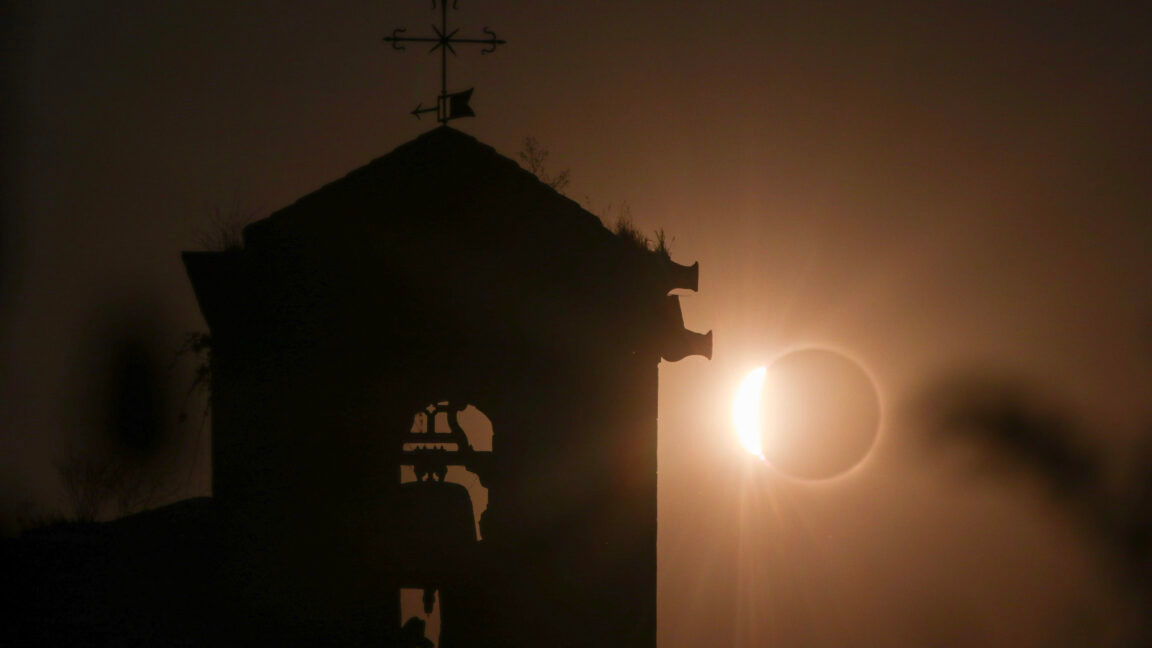
In August 2026, the Moon's shadow swept across north-central Spain, drawing skywatchers from around the world to witness a total solar eclipse. For many enthusiasts who experienced the 2017 and 2024 eclipses in North America, this event served as the next major opportunity to stand in the path of totality, especially with the next continental United States total eclipse not occurring until 2044.
The Key Details
The path of totality passed directly over Spain's northern plains, including the town of Durat3n, located approximately 90 minutes north of Madrid. The region—characterized by wide open spaces, ancient castles, and vast sunflower fields—experienced hot August weather.
While an ongoing drought in Spain has raised environmental concerns, the dry weather conditions ultimately provided exceptionally clear, cloudless skies that were ideal for eclipse viewing.
The event drew a dedicated community of global eclipse chasers, ranging from newcomers to veteran "umbraphiles." Among the community, the world record for eclipse viewings is held by Americans Glenn Schneider and John Beattie, who have witnessed 35 eclipses. Other seasoned travelers on-site in Spain reported witnessing up to 20 totalities.
Planning for Totality
Experiencing a total solar eclipse requires careful preparation. Veteran skywatchers emphasize several critical factors for a successful viewing trip:
- Mobility and Backup Plans: Cloud cover is the primary threat to viewing an eclipse. Observers must remain mobile and monitor weather patterns closely to adjust their location on the day of the event.
- Logistical Preparation: Popular viewing zones often experience heavy traffic and large crowds. Travelers need to allocate ample travel time to reach their destinations.
- Eye Safety: Safe, certified eclipse-viewing glasses are mandatory to observe the partial phases of the eclipse without risking permanent eye damage.
Why It Matters
A total solar eclipse is a rare celestial alignment made possible by the precise relative sizes and distances of the Moon and the Sun from Earth. Because these events occur infrequently in any single geographic location, they drive significant international travel and scientific interest, turning remote regions into temporary hubs for global tourism.
VANTIX Takeaway
Witnessing a total solar eclipse requires active planning, mobility, and proper safety gear. For those willing to travel, regional weather conditions—such as Spain's dry summer climate—play a decisive role in securing a clear view of this rare celestial phenomenon.


