What happened
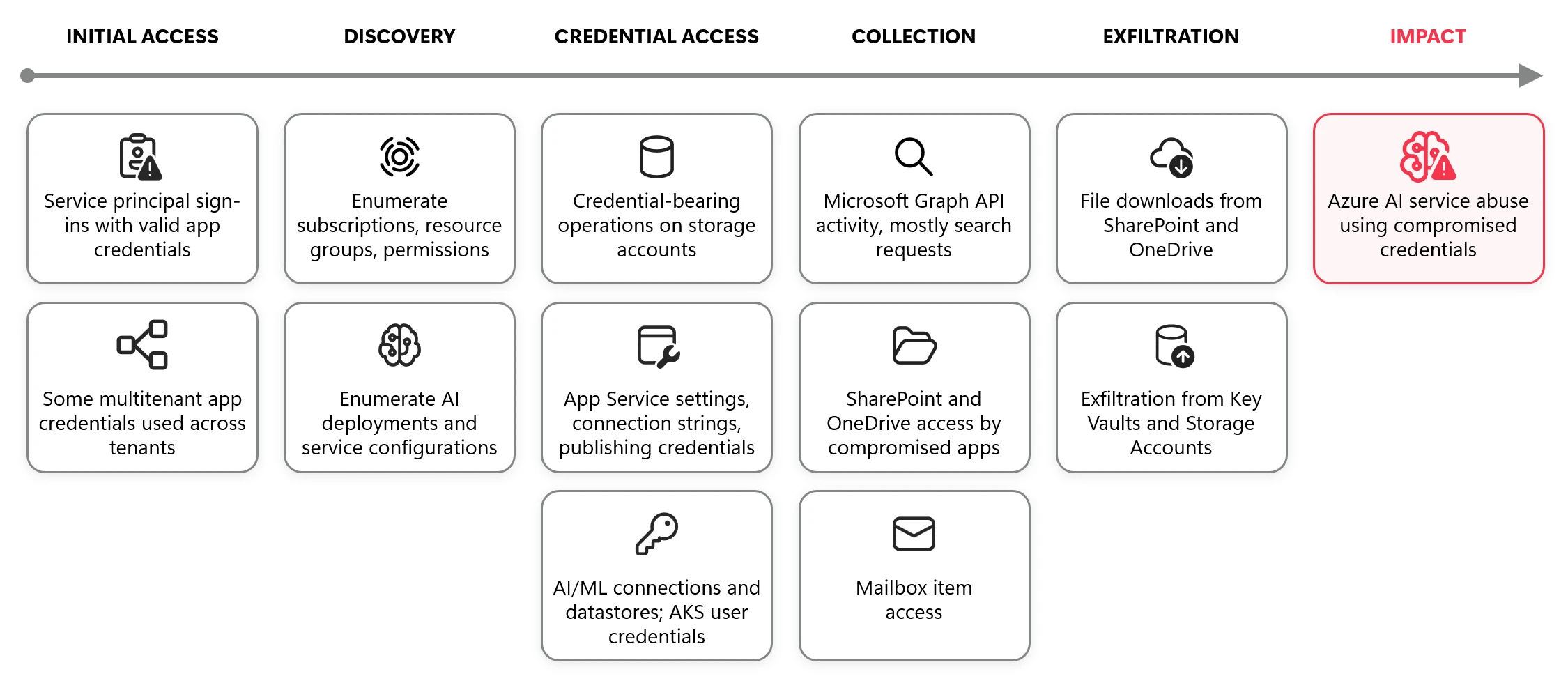
Microsoft Threat Intelligence reports that threat actors have used an agentic offensive security framework named ARTEX to search GitHub for exposed OAuth application secrets. These secrets can be used to compromise the associated OAuth application and perform authenticated actions within the application's tenant. Agents acting on behalf of the threat actors then leveraged the compromised OAuth applications to carry out a variety of subsequent actions within affected organisations.
Key concepts
OAuth is an authorisation protocol that lets users grant third-party apps access to their data without sharing passwords. OAuth application secrets are credentials that authenticate the app; if they appear in public code repositories, they can be discovered and abused. Agentic AI refers to AI systems that can act autonomously to achieve goals. ARTEX is described as an agentic offensive security framework, meaning it employs autonomous agents to conduct offensive security operations.
Why this matters
Exposed secrets have long been a known risk, but AI-driven tooling automates the discovery process at scale. By scanning public repositories, threat actors can quickly identify credentials that might otherwise remain hidden. Once an OAuth application is compromised, the attacker can move within a target organisation, potentially accessing data or systems under the application's permissions.
What is not known
The full scope of the observed activity, including the number of affected organisations, the specific actions taken after compromise, and the technical capabilities of ARTEX, has not been disclosed. The available information is limited to a summary of the Microsoft Security Blog post.


