What Happened
German health-tech startup TimeTeller has begun selling a direct-to-consumer saliva test kit that analyzes a person's circadian rhythm — the internal biological clock that regulates sleep, metabolism, hormone release, and cellular repair. The company's longer-term mission is more ambitious: using that data to help oncologists schedule cancer treatments at the time of day when each patient's body will tolerate them best and respond most effectively.
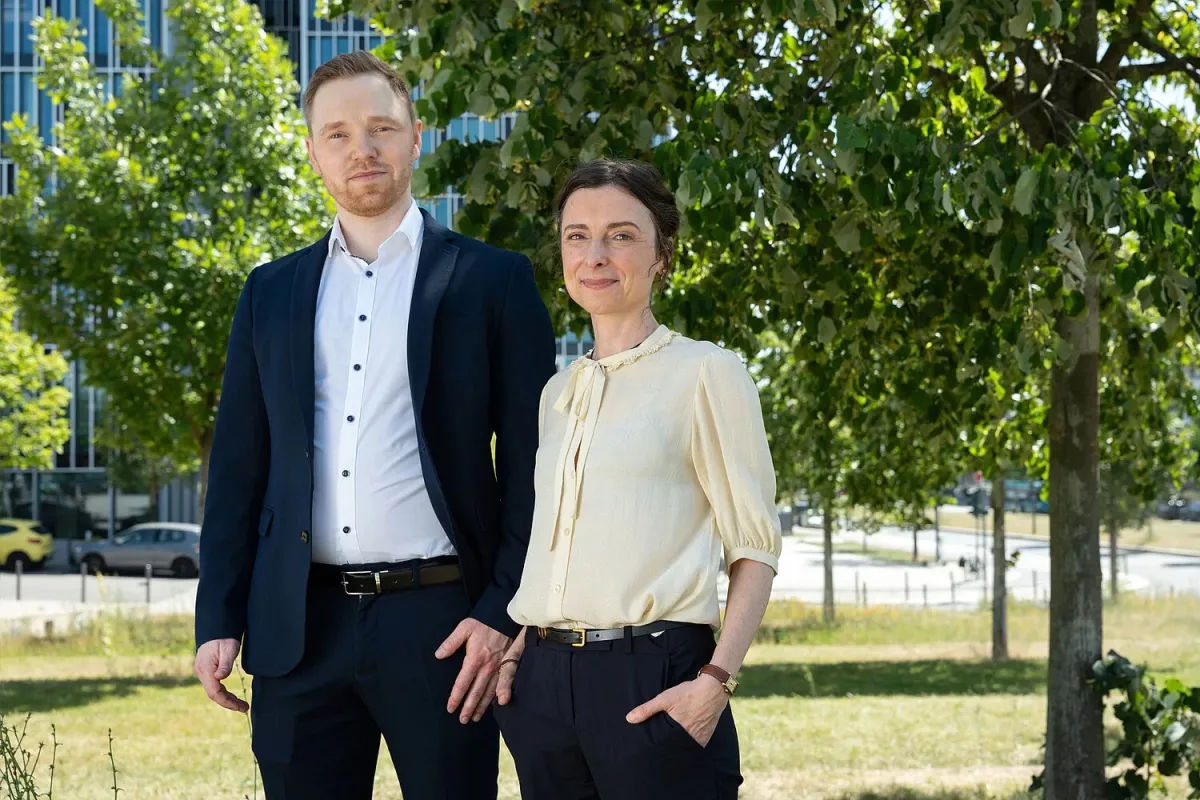
CEO Angela Relógio, a physicist-engineer and molecular biologist who spent years researching oncology and circadian biology in German academia, presented the company onstage at TechCrunch Disrupt's Startup Battlefield in San Francisco.
The Key Details
The test and what it measures TimeTeller's kit collects saliva samples at multiple time points to build a profile of the user's circadian rhythm. This goes beyond simply identifying whether someone is a "morning person" or "night owl" — it aims to capture the molecular timing of biological processes.
Current use case: longevity clinics The direct-to-consumer product launched in response to demand from longevity clinics, which use individual circadian data to personalize recommendations for sleep timing, nutrition, light exposure, and physical activity. Relógio is explicit that the consumer kit does not tell cancer patients when to take their medication. Those calculations, she says, must be done per drug within clinical studies.
Cancer as the core mission Relógio's pivot from academia to entrepreneurship came after observing cancer patients discontinuing or delaying treatment due to side effects. "As a scientist, that was just impossible to watch, particularly when I was convinced that part of the problem might not only be what treatment we give, but when we give it," she said. She personally funded the first patent to keep the discovery from remaining only in publications.
Institutional backing and insurance partnership
- Spun out of Berlin's Charité university hospital
- Now based at Medical School Hamburg, which provided patient access, funding, and employment backup for the 10-person team
- Secured a reimbursement partnership with Techniker Krankenkasse (TK), one of Germany's largest statutory health insurers (12 million members)
- The deal started as a pilot reimbursing the test for a subset of cancer patients; both sides are preparing to expand coverage
Broader potential applications Beyond oncology, TimeTeller sees relevance for metabolic diseases (diabetes), neurodegenerative conditions (Alzheimer's), performance optimization, and women's health — though cancer remains the primary focus.
Why It Matters
Chronotherapy is an old idea with new tools The concept that treatment timing affects outcomes — known as chronotherapy — has existed for decades. What has been missing is a practical, scalable way to measure an individual's circadian phase accurately enough to guide clinical decisions. TimeTeller's saliva-based molecular profiling could fill that gap.
Insurance reimbursement signals clinical credibility TK's willingness to pay for the test — even initially for a limited patient group — suggests the insurer sees enough evidence to justify the cost. Expansion to TK's full 12-million-member base would represent a significant validation milestone.
The gap between consumer product and clinical utility Relógio's restraint is notable in a direct-to-consumer health testing market often criticized for overpromising. By clearly separating what the kit can do today (lifestyle optimization) from what requires clinical validation (treatment timing), TimeTeller avoids the pitfalls that have damaged trust in at-home diagnostics.
What It Means for Readers
For patients and caregivers If you or someone you know is undergoing cancer treatment in Germany, ask the oncology team whether circadian-timed therapy (chronotherapy) is available or being studied. The TK partnership means the test may be reimbursed for eligible patients.
For health-tech watchers TimeTeller illustrates a growing model: academic spinouts that secure early insurance partnerships rather than relying solely on venture capital and consumer hype. The fallback employment arrangement with Medical School Hamburg is an unusual but practical risk-mitigation structure.
For African health systems While TimeTeller operates in Germany today, the underlying principle — that treatment timing matters — is universal. As African oncology capacity grows, chronotherapy could offer a low-cost way to improve outcomes without new drugs. However, no African availability, partnerships, or pricing have been announced.
What Happens Next
- Expansion of the TK reimbursement agreement to more members
- Ongoing clinical studies to validate treatment-timing algorithms for specific cancer drugs
- Potential entry into additional European markets
- Continued direct-to-consumer sales through longevity clinics
VANTIX Takeaway
TimeTeller is attempting something difficult: turning circadian biology into a reimbursable clinical tool without overpromising to consumers. The insurance partnership and academic pedigree give it more credibility than most at-home test kits. Whether saliva-based circadian profiling becomes a standard part of cancer care will depend on the clinical data still being generated — but the infrastructure to deliver it is now being built.


