What Happened
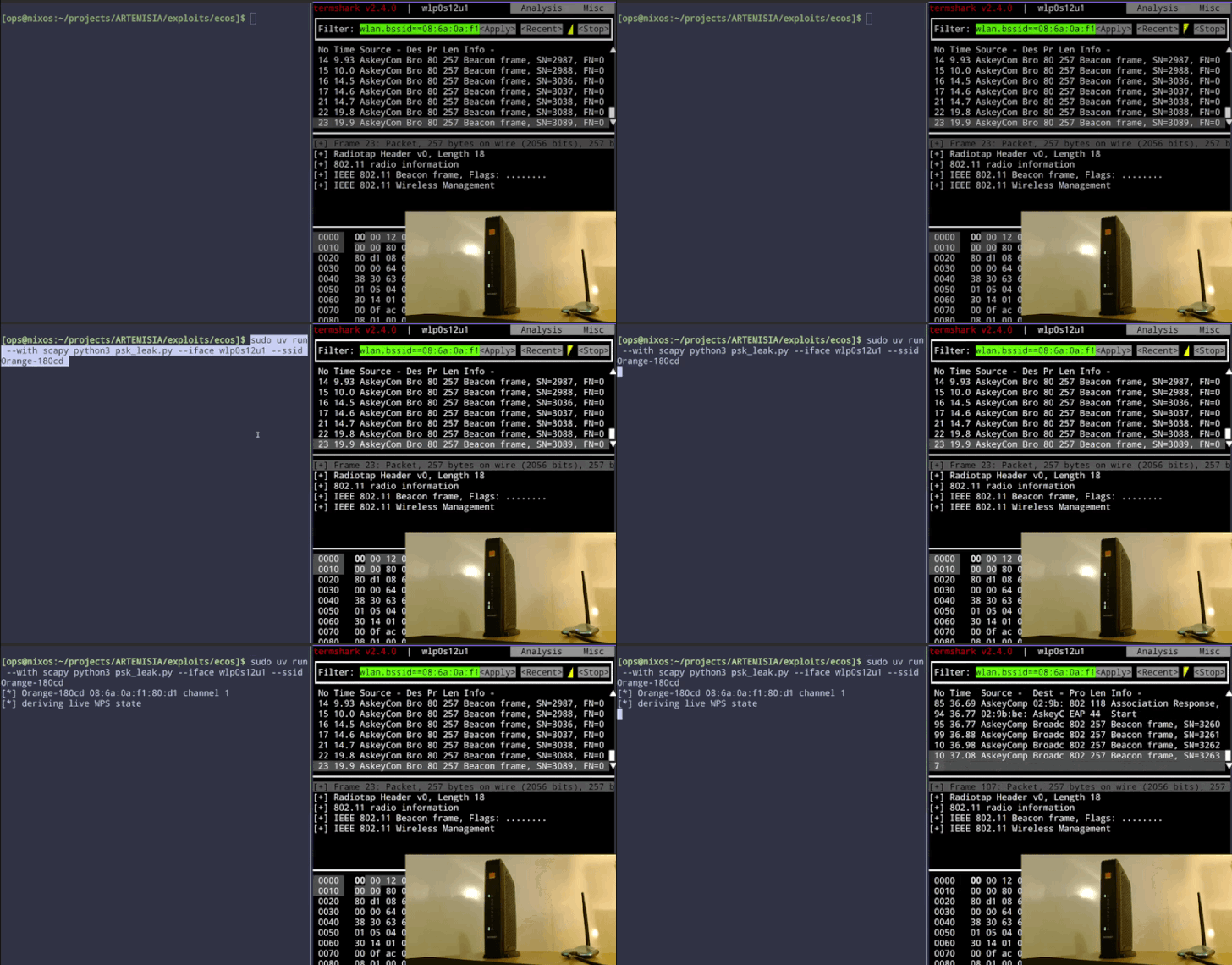
Security researcher Quentin Kaiser publicly disclosed a critical vulnerability in Broadcom's Wi-Fi setup software on October 16. The flaw enables an attacker within radio range of a vulnerable router to execute arbitrary code with root privileges — the highest level of system access — without knowing the Wi-Fi password or completing any pairing or authentication step.
Kaiser demonstrated the attack against home gateway devices supplied by three Belgian internet service providers. In at least one case, the exploit allowed the researcher to read the Wi-Fi password directly from the device.
The Key Details
- Vulnerability location: Broadcom's Wi-Fi setup software, used during initial device configuration
- Attack vector: Radio proximity — attacker must be within Wi-Fi range of the target router
- Privilege level: Root code execution (full device control)
- Authentication required: None — no password, no pairing, no prior access
- Disclosure date: October 16, 2026
- Researcher: Quentin Kaiser
- Proof of concept: Demonstrated on home gateways from three Belgian ISPs
- Impact demonstrated: Wi-Fi password extraction in at least one case
- Patch status: Unpatched as of disclosure
Broadcom chips power a significant portion of the world's consumer and enterprise Wi-Fi routers, including many models supplied by ISPs to their customers. The affected software component handles the initial Wi-Fi setup process, which typically runs before a user configures their network credentials.
Why It Matters
This vulnerability is unusual because it requires no credentials, no user interaction, and no prior network access. An attacker simply needs to be physically close enough to the router's Wi-Fi signal. Once exploited, root access allows complete control over the device: modifying firmware, intercepting traffic, recruiting the router into a botnet, or pivoting to other devices on the network.
The fact that the exploit works against ISP-supplied gateways is particularly significant. These devices are often deployed in large numbers, managed remotely by the provider, and rarely updated by end users. A single vulnerable model could affect thousands or millions of households.
What It Means for Readers
For everyday users: If your router uses a Broadcom chipset — which includes many popular models from brands like ASUS, Netgear, Linksys, TP-Link, and ISP-provided gateways — you may be exposed until a firmware update is released. There is no user-facing mitigation other than disabling Wi-Fi when not in use, which is impractical for most households.
For African and Nigerian users: Broadcom-based routers are widely used across the continent, both in consumer retail and in ISP-provided customer premises equipment (CPE). Many Nigerian ISPs deploy Broadcom-powered gateways for fiber and fixed wireless connections. Users should check with their ISP or router manufacturer for firmware updates and apply them as soon as they become available.
For businesses and developers: Organizations managing fleets of Wi-Fi equipment should inventory devices with Broadcom chipsets and prioritize patching once fixes are released. Developers building products on Broadcom Wi-Fi stacks should monitor Broadcom's security advisories.
What Happens Next
As of the disclosure date, Broadcom has not released a patch. The typical responsible disclosure timeline gives vendors 90 days to develop and distribute fixes before full technical details are published, though Kaiser's disclosure already includes a working proof of concept. ISPs and router manufacturers will need to integrate Broadcom's fix into their firmware and push updates to devices — a process that can take weeks or months.
Users should:
- Check their router manufacturer's support page for security advisories
- Enable automatic firmware updates if available
- Contact their ISP if using provider-supplied equipment
- Monitor for unusual network activity
VANTIX Takeaway
A proximity-based, zero-authentication root exploit in widely deployed Wi-Fi infrastructure is a serious threat. The absence of a patch means millions of routers — including many in African homes and businesses — remain exposed until vendors act. The most important step for users right now is vigilance: know your router model, watch for firmware updates, and apply them immediately when they arrive.


