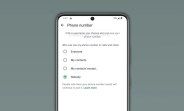
What happened
WhatsApp is developing a feature that lets users decide exactly who can see their phone number, according to a report from WABetaInfo spotted in the Android beta version 2.26.45.1. The change builds on the username system WhatsApp began rolling out in June, which already allows people to message each other without exchanging phone numbers.
Background: usernames and privacy
When WhatsApp introduced usernames, the stated goal was to let users communicate without revealing their phone numbers. That feature has not yet reached every account, but the company has already opened username reservations. The new phone-number visibility control appears to be the next step in the same privacy direction.
What the beta shows
WABetaInfo reports that the test build includes settings for granular control over phone number visibility. The exact options have not been detailed in the available material, and the feature is still in beta, meaning it could change before any public release. No timeline for a wider rollout has been announced.
What remains unknown
- The specific visibility options (for example, everyone, contacts only, nobody, or custom lists)
- Whether the feature will apply to groups, communities, or only one-to-one chats
- When or if it will leave beta and reach stable builds on Android, iOS, or desktop
- How it interacts with the existing username system in practice
Why it matters
Phone numbers have long been the primary identifier on WhatsApp, which makes them visible to anyone a user messages or shares a group with. Granular visibility controls would reduce unwanted contact, spam, and the risk of numbers being harvested from large groups. For people who use WhatsApp for business, community organising, or public-facing roles, the ability to keep a number private while remaining reachable by username is a practical privacy improvement.
African context
WhatsApp is the dominant messaging platform across much of Africa, including Nigeria. Many users rely on it for both personal and commercial communication, often sharing numbers in market groups, trade associations, and customer chats. A feature that lets traders, freelancers, and community leaders keep their numbers private while staying accessible could reduce harassment and spam without breaking existing workflows. However, until the feature ships in a stable release, its real-world impact remains speculative.
The bigger picture
The move aligns with a broader industry trend toward identifier-based messaging rather than phone-number-based directories. Competing platforms such as Telegram and Signal have offered username or profile-name systems for years. WhatsApp's approach, layering usernames on top of the existing phone-number backbone, reflects its need to maintain compatibility with its massive installed base while gradually shifting the privacy model.


